
Search
Showing results for " buy cvv2, 【 Visit Amsiga.com 】 ojM3t2s., cc shop carding, gift card no vbv, www validcc UNt2"
Paediatric cancer is the leading cause of disease-related death in Australian children. Limited research focuses on cancer in Aboriginal and Torres Strait Islander children. Although there appears to be a lower incidence of cancer overall in Aboriginal and Torres Strait Islander children compared with non-Indigenous children, a high proportion of Aboriginal and Torres Strait Islander children are diagnosed with acute myeloid leukaemia.
This Phase-IIa trial evaluates the safety and pharmacokinetics of high-dose, 10 weekly subcutaneous injections of penicillin (SCIP) in young people with a history of acute rheumatic fever (ARF).
This study provides new knowledge on ARF characteristics and management and highlights international variation in diagnostic and management practice.
Ependymomas (EPN) are the third most common malignant brain cancer in children. Treatment strategies for pediatric EPN have remained unchanged over recent decades, with 10-year survival rates stagnating at just 67% for children aged 0-14 years. Moreover, a proportion of patients who survive treatment often suffer long-term neurological side effects as a result of therapy. It is evident that there is a need for safer, more effective treatments for pediatric EPN patients.
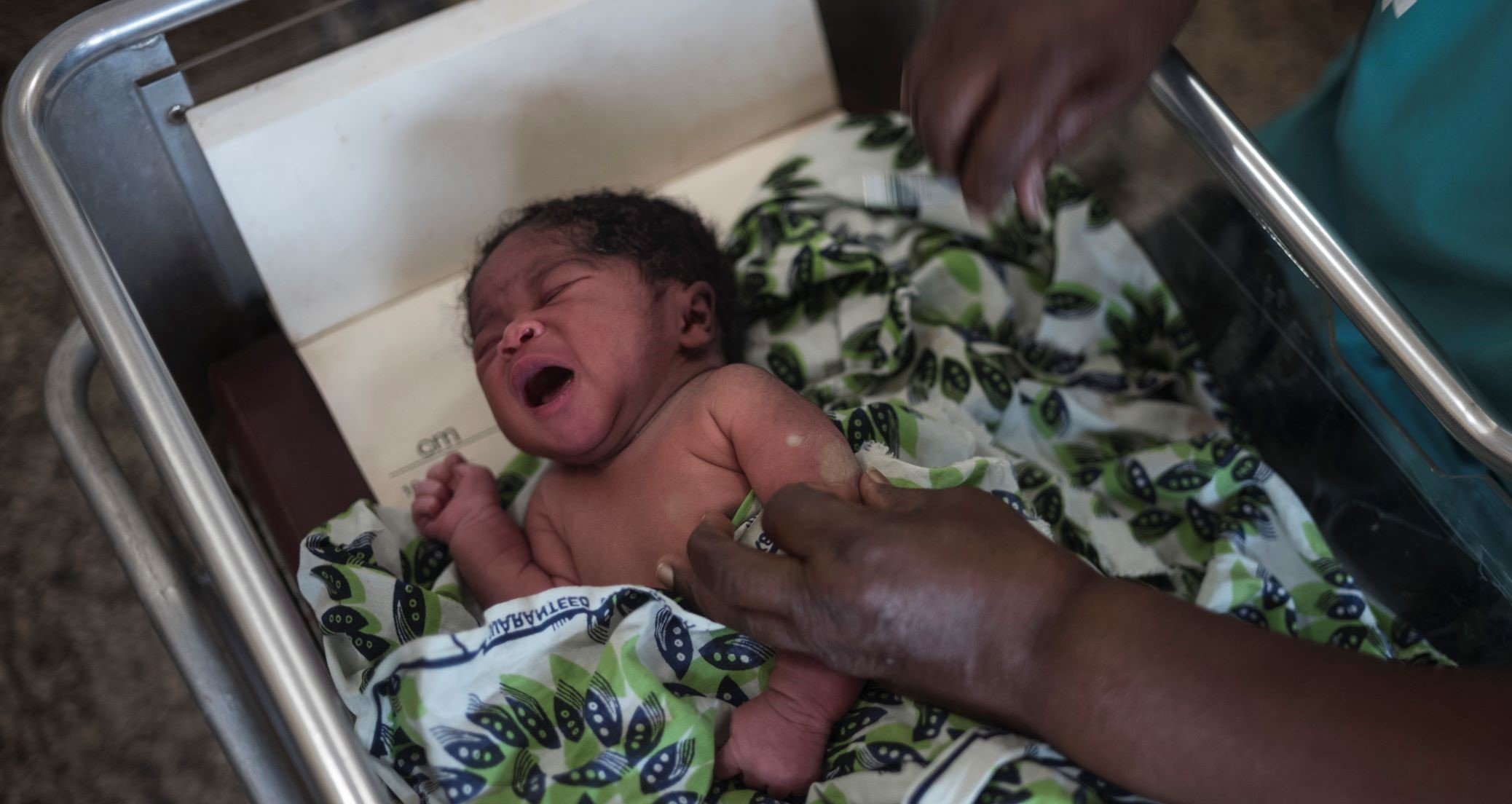
The veteran tuberculosis vaccine BCG has puzzled scientists for decades. Now, The Kids researchers have not only unlocked part of the secret to its success in saving the lives of newborns, but they’re at the forefront of global efforts to test its ability to fight COVID-19.

A quality of life tool developed by disability researcher Jenny Downs is helping to reveal the difference specific interventions can make to the lives of children and families living with disability.
Impetigo or skin sores are estimated to affect >162 million people worldwide. Detailed descriptions of the anatomical location of skin sores are lacking.
Achieving healthy skin requires the prevention of infectious diseases that affect the skin. Prevention activities range from environmental health improvements to address inequities in living situations, through to community-wide treatment programs to reduce transmission and improve skin health.
When the COVID-19 pandemic was declared, Governments responded with lockdown and isolation measures to combat viral spread, including the closure of many schools. More than a year later, widespread screening for SARS-CoV-2 is critical to allow schools and other institutions to remain open.
Medulloblastoma (MB) consists of four core molecular subgroups with distinct clinical features and prognoses. Treatment consists of surgery, followed by radiotherapy and cytotoxic chemotherapy. Despite this intensive approach, outcome remains dismal for patients with certain subtypes of MB, namely, MYC-amplified Group 3 and TP53-mutated SHH. Using high-throughput assays, six human MB cell lines were screened against a library of 3208 unique compounds. We identified 45 effective compounds from the screen and found that cell cycle checkpoint kinase (CHK1/2) inhibition synergistically enhanced the cytotoxic activity of clinically used chemotherapeutics cyclophosphamide, cisplatin, and gemcitabine.