
Search
Showing results for " buy cvv2, 【 Visit Amsiga.com 】 ojM3t2s., cc shop carding, gift card no vbv, www validcc UNt2"
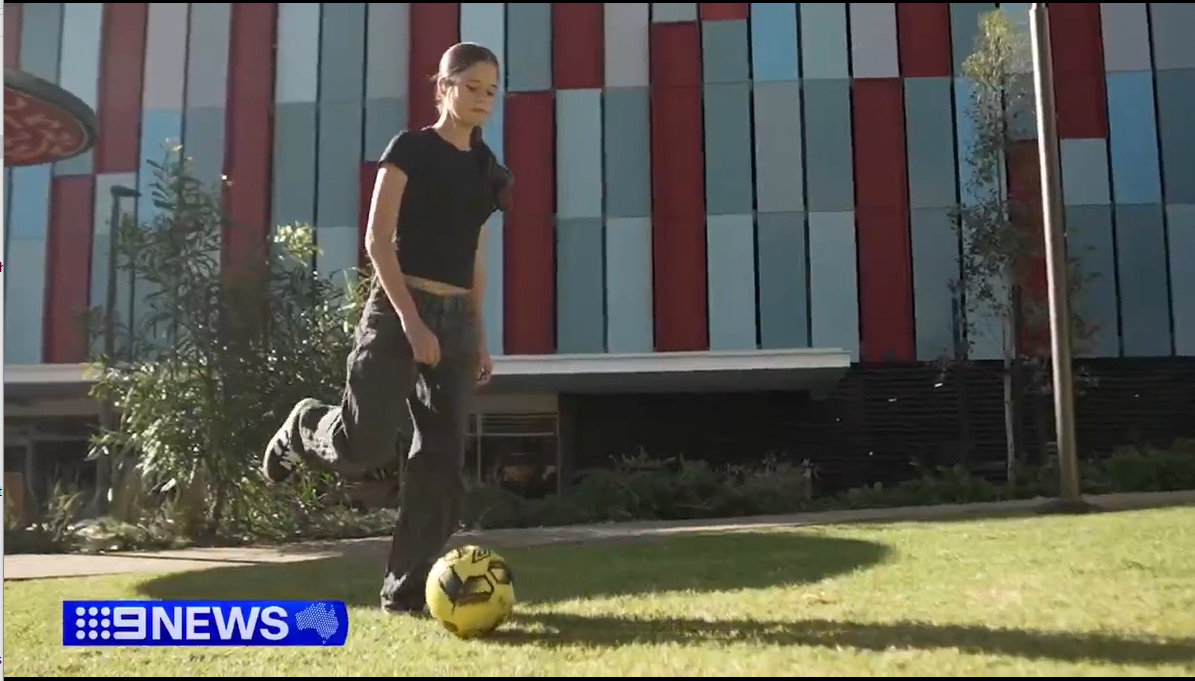
Children with cystic fibrosis will be included in the next phase of a clinical trial of a promising new treatment pioneered in Western Australia aimed at boosting their immune responses to infections. Originally developed by researchers at The Kids Research Institute Australia and Perth Children’s Hospital.
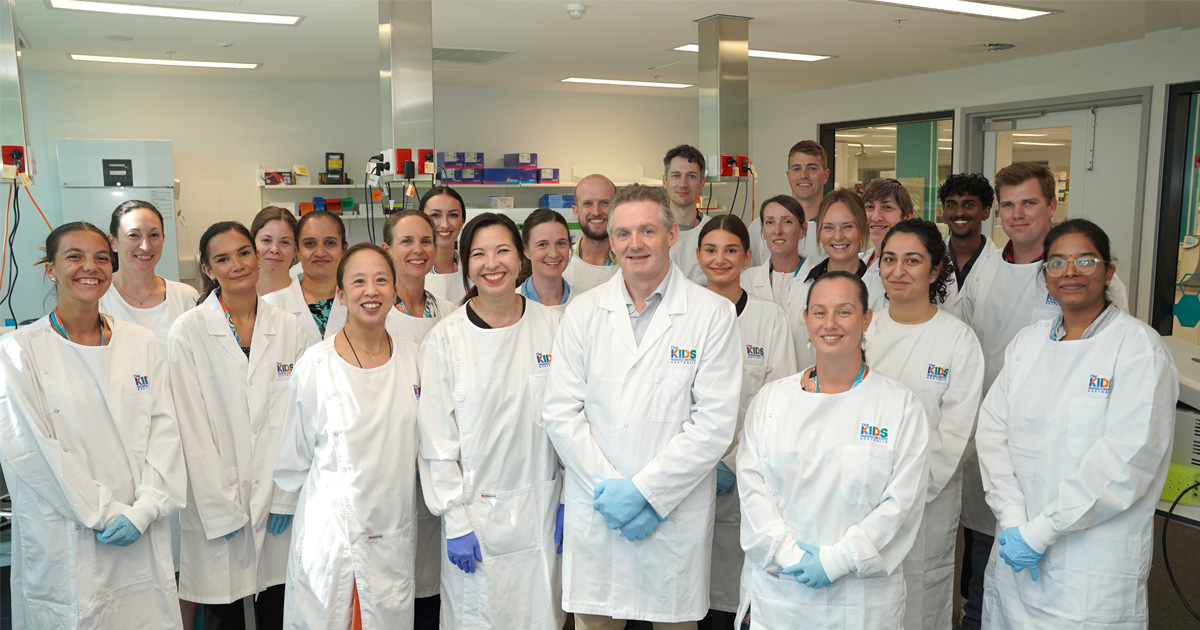
At The Kids Research Institute Australia, our Brain Tumour Research team is leading the charge to change the story for children diagnosed with brain cancer by working on safer, more effective treatments.
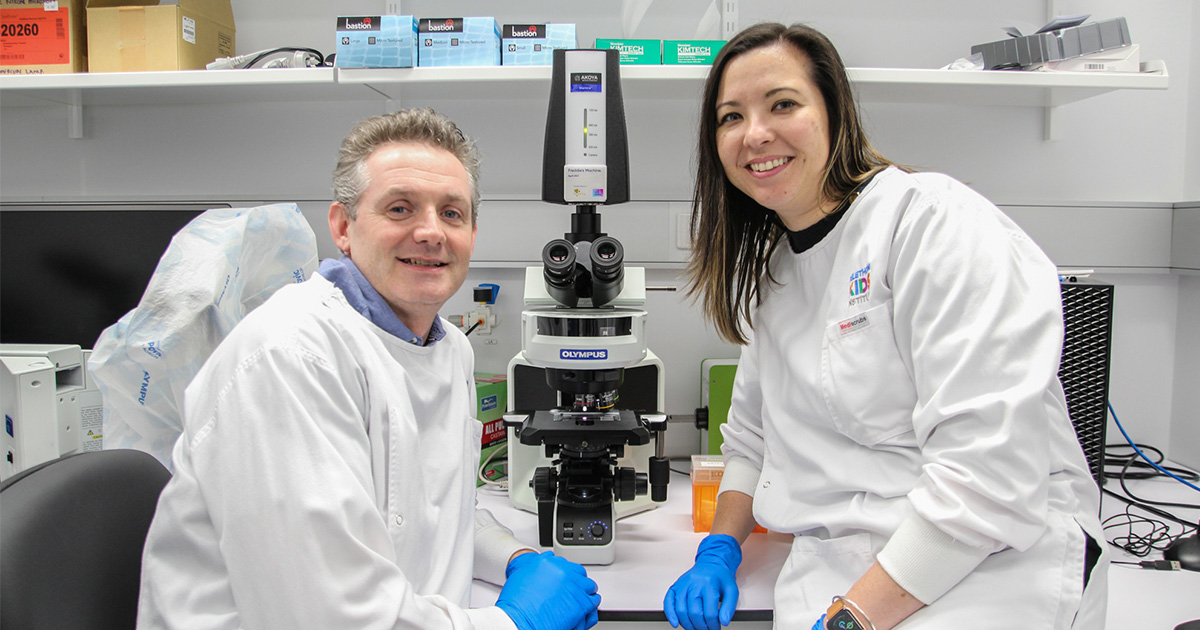
The WA Kids Cancer Centre has secured $1.1 million in funding from the Medical Research Future Fund’s (MRFF) Paediatric Brain Cancer Research Stream 2 to develop more effective and less toxic treatments for rare brain cancers in infants.
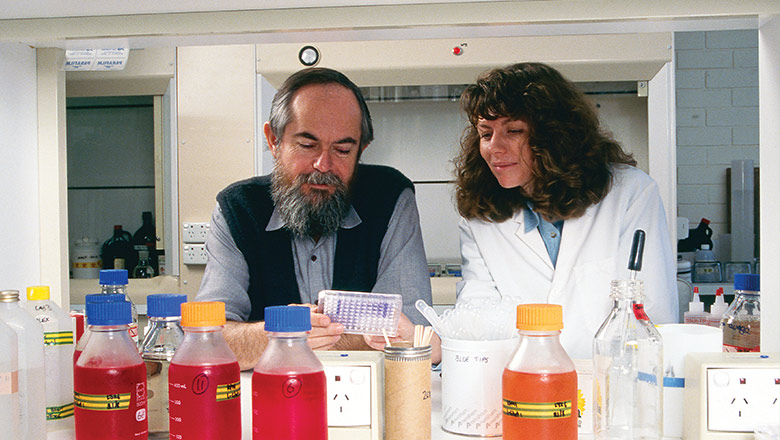
Findings by Professor Pat Holt revealed researchers had been heading down the wrong path in their battle strategy against respiratory allergy and asthma.
Rheumatic heart disease (RHD) is the most common form of acquired heart disease worldwide. In RHD, volume loading from mitral regurgitation leads to left ventricular (LV) dilatation, increased wall stress, and ultimately LV dysfunction. Improved understanding of LV dynamics may contribute to refined timing of intervention.
Skin health is widely recognised as being important for overall good health and well-being, yet the burden of skin infections in remote Aboriginal communities remains high. This project aimed to explore if virtual support for skin health could be a strategy to reduce community barriers to skin health engagement.
Nick Raelene Terrance Gottardo Endersby Johns MBChB FRACP PhD BSc (Hons) PhD Co-Head, Brain Tumour Research team; Head of Oncology and Haematology,
Helen Jenny Leonard Downs MBChB MPH BApplSci (physio) MSc PhD Principal Research Fellow Head, Child Disability +61 419 956 946 08 6319 1763
A community-led, trauma-informed psychosocial intervention to improve health outcomes of children and young people with Type-1 diabetes.
Head lice is an ectoparasitic skin infection commonly seen in primary school-aged children. In remote Australia, where rates of other skin infections and downstream sequelae are endemic, the rate of head lice infestation is unknown.