
Search
HIV postexposure prophylaxis (PEP) following child sexual assault (CSA) is recommended in select cases. High rates of poor adherence to PEP are reported. We evaluated adherence to the recommended management of children following CSA at the tertiary pediatric facility in Western Australia and compared our approach with international guidelines.
Rising proportions of antimicrobial resistance (AMR) have been observed in both Staphylococcus aureus and Enterococcus spp. isolates.
The role Staphylococcus aureus antimicrobial resistance genes and toxins play in disease severity, management and outcome in childhood is an emerging field requiring further exploration.
The objective of this study was to describe the occurrence of skin infection associated hospitalizations in children born in Western Australia (WA).
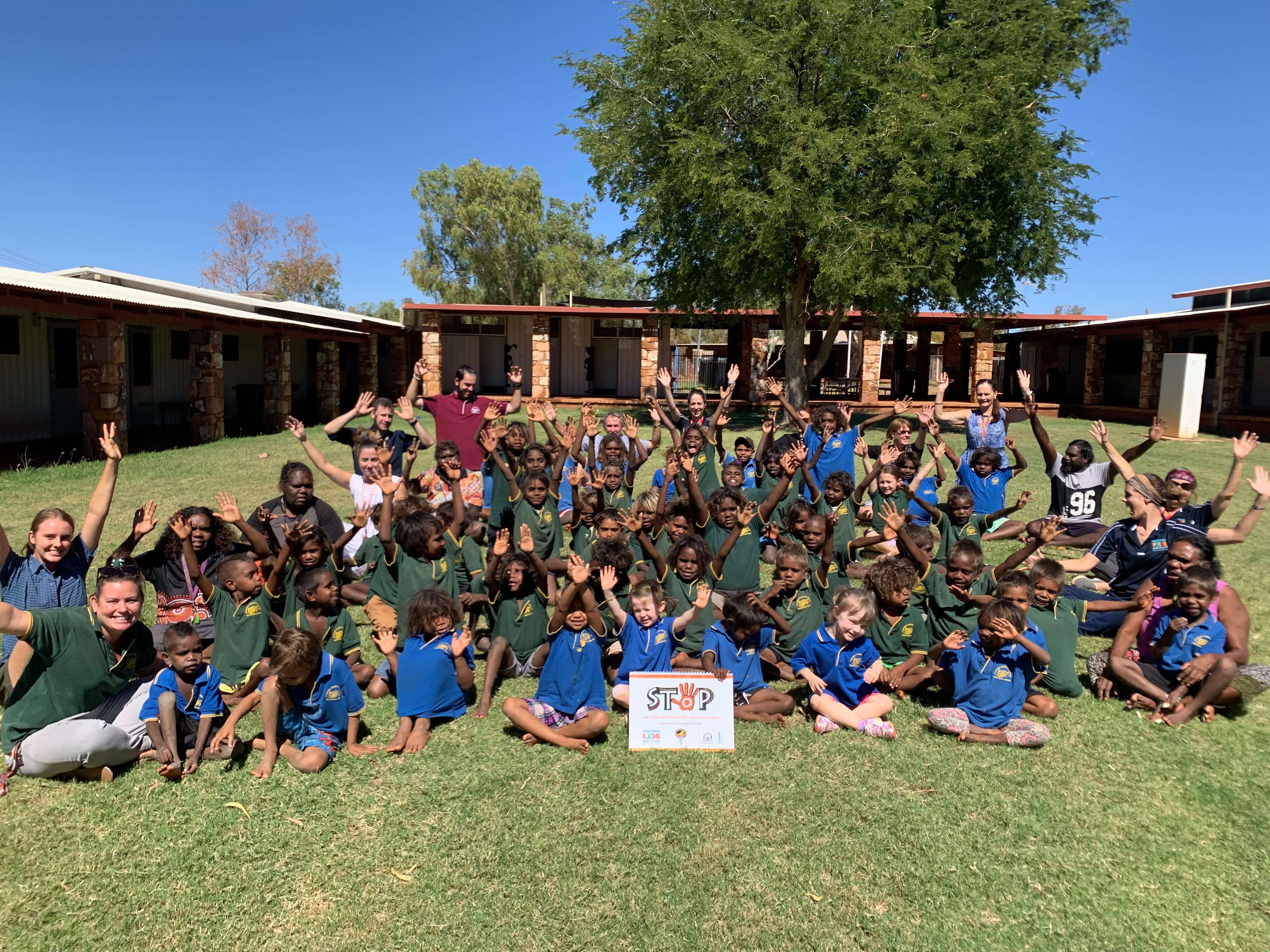
Aboriginal community members throughout the Kimberley will take a lead role in driving healthy skin messages within their own communities thanks to a major funding boost to The Kids Research Institute Australia’s SToP Trial.
From 1 January 2020 to 31 December 2021, thirty-eight institutions across Australia submitted data to the Australian Group on Antimicrobial Resistance (AGAR) from patients aged < 18 years (AGAR-Kids). Over the two years, 1,679 isolates were reported from 1,611 patients. This AGAR-Kids report aims to describe the population of children and adolescents with bacteraemia reported to AGAR and the proportion of resistant isolates.