
Search
Iron deficiency (ID) is the most common nutritional deficiency affecting young children. Serum ferritin concentration is the preferred biomarker for measuring iron status because it reflects iron stores; however, blood collection can be distressing for young children and can be logistically difficult. A noninvasive means to measure iron status would be attractive to either diagnose or screen for ID in young children.
Maternal diet during pregnancy has long been recognised as an important determinant of neonatal outcomes and child development. Infant body composition is a potentially modifiable risk factor for predicting future health and metabolic disease.

ORIGINS is fortunate to have a small passionate and dedicated group of longstanding volunteers.
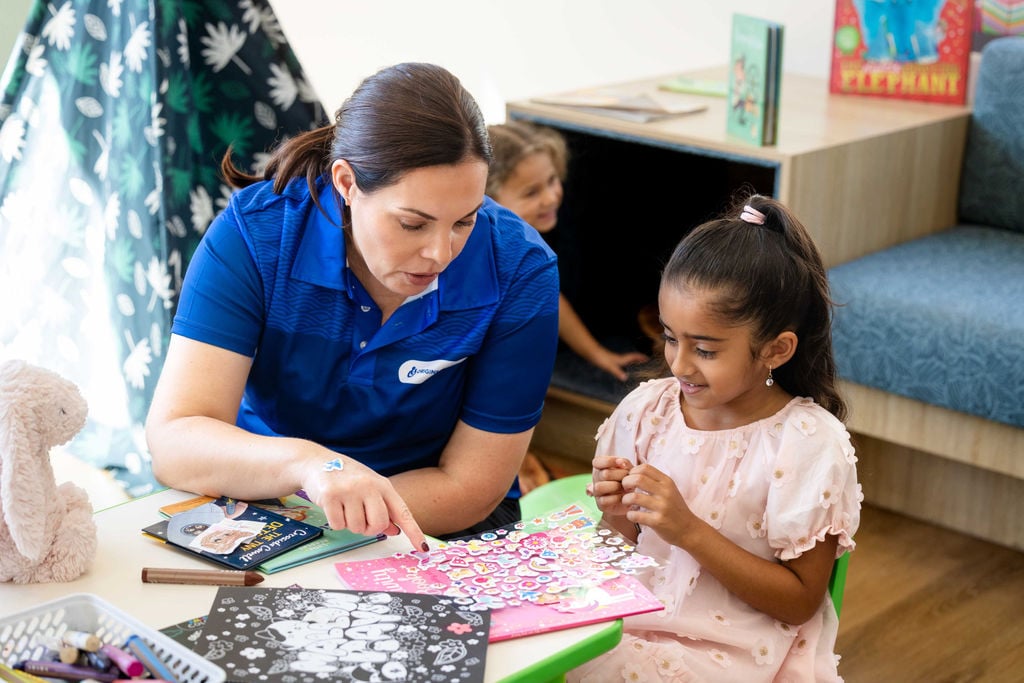
Information about the sub-project implementation process at ORIGINS
With more than one in four Australian children overweight or obese, and the significant risks this poses for health problems like asthma, depression,...
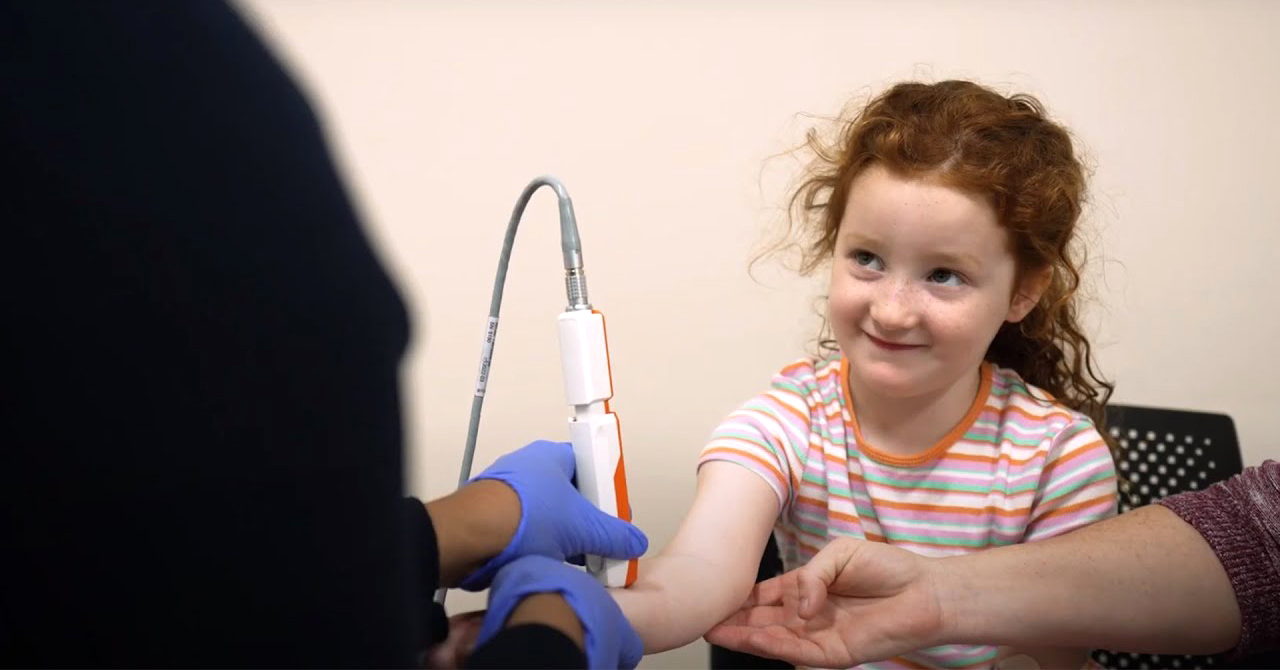
Australia’s largest longitudinal birth cohort study of its kind – ORIGINS – has reached a major milestone with the launch of its 8-Year Kids' Checks, marking the study’s transition into the primary school years.
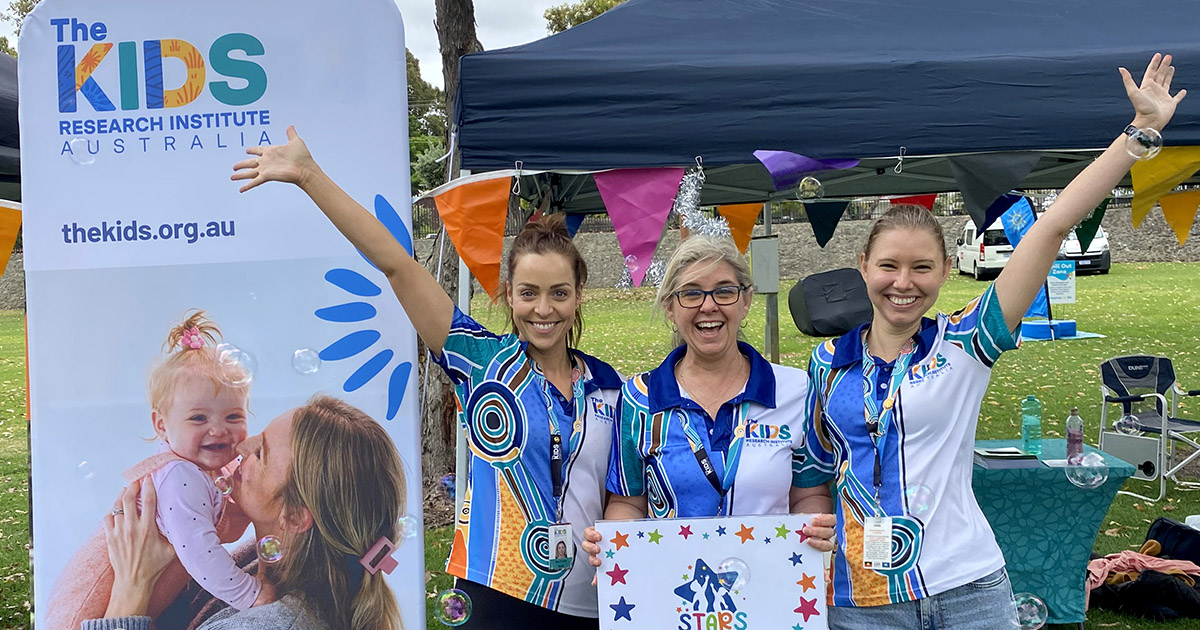
STARS for Kids, a sub-project of ORIGINS, received a three-year grant to advance the development of a scalable, online, tiered model of care to better support disadvantaged communities, where 20-25 per cent of children are entering school developmentally vulnerable.
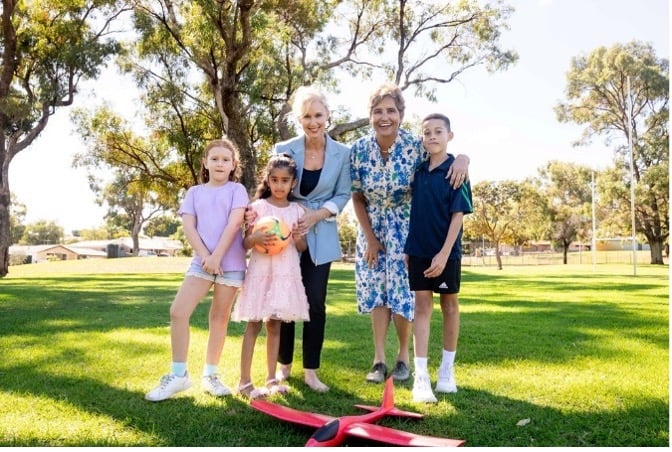
ORIGINS is celebrating a substantial funding increase for its world-class research into child and family health and wellbeing.
Families who introduce peanut butter and eggs to their baby’s diet at around six months of age can significantly reduce the chances of them developing a life-threatening allergy, according to a new study published in the Journal of Allergy and Clinical Immunology – In Practice.

ORIGINS sub-project, The Flourishing Child, has received a $746,051 grant from the Medical Research Future Fund to develop a Flourishing Assessment and Pathway Tool to address gaps in early intervention for children's mental health.