
Search
Immediate plating of impetigo swabs is the gold standard for bacterial recovery but is rarely feasible in remote regions.
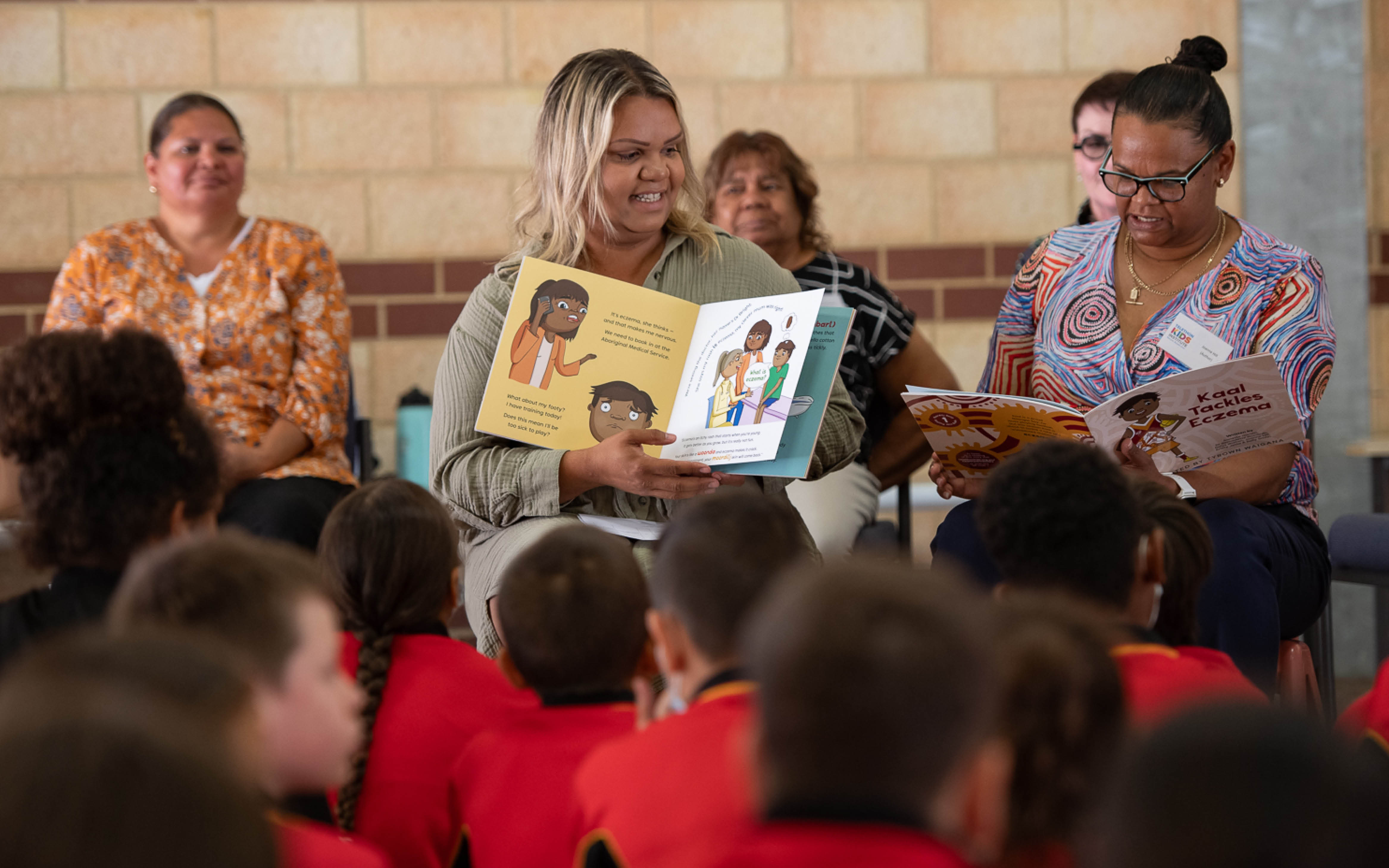
Our aim is for all kids to have healthy skin. We work with communities to reduce the burden of Strep A skin sores and sore throats to prevent rheumatic fever.
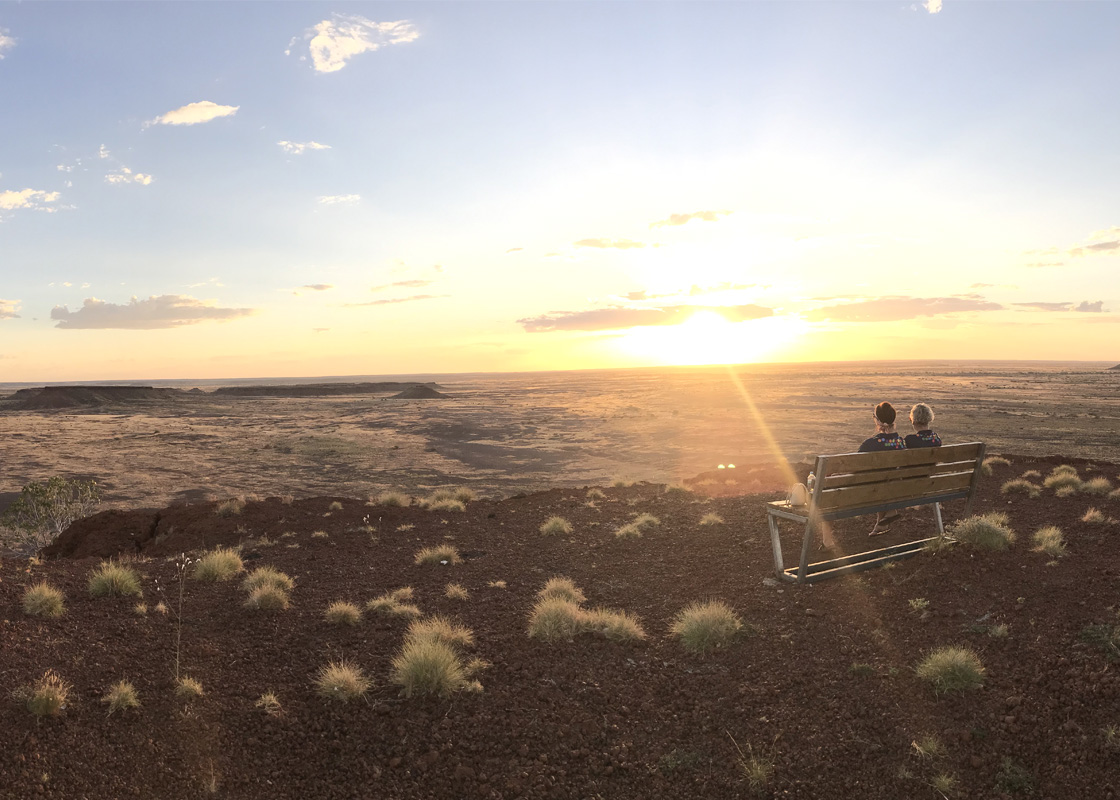
Working alongside the Healthy Skin & ARF Prevention team, clinicians and other researchers; Elder researchers and community members have driven the co-design of healthy skin promotion resources localised to their community.
Designed by community for community, the Strong Skin App is a go-to resource to support your skin health.
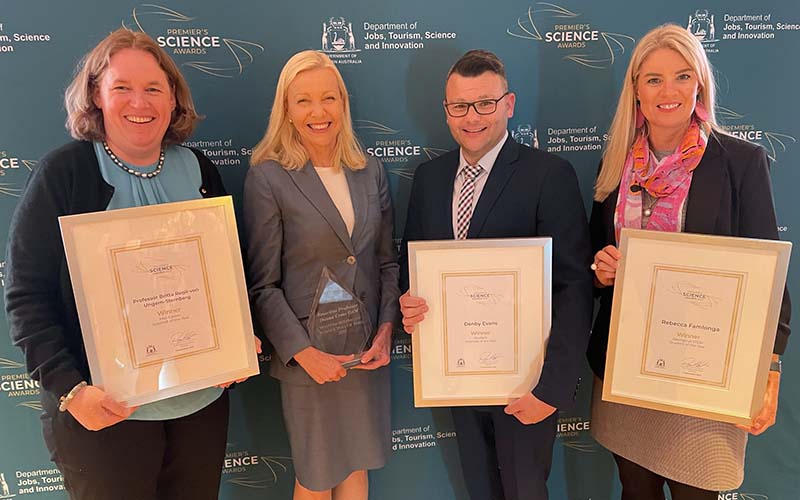
Three outstanding researchers have won 2023 Premier’s Science Awards, with another inducted into the prestigious WA Science Hall of Fame.
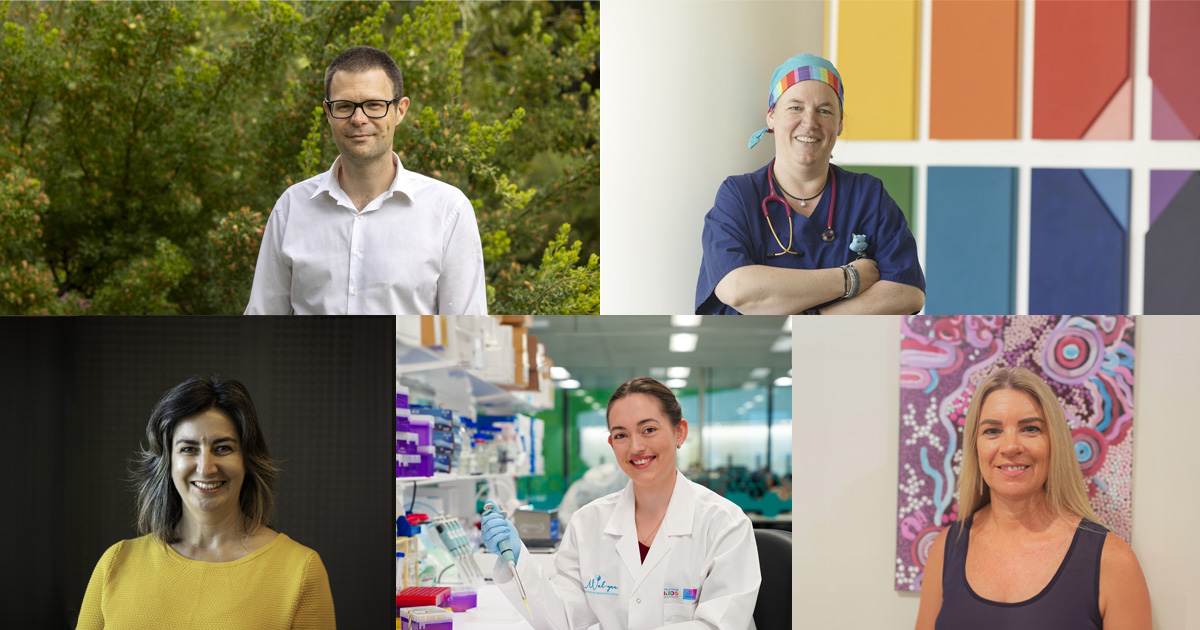
Five The Kids Research Institute Australia researchers working across diverse and highly impactful areas of child health research have been named as finalists for the 2023 Premier’s Science Awards.
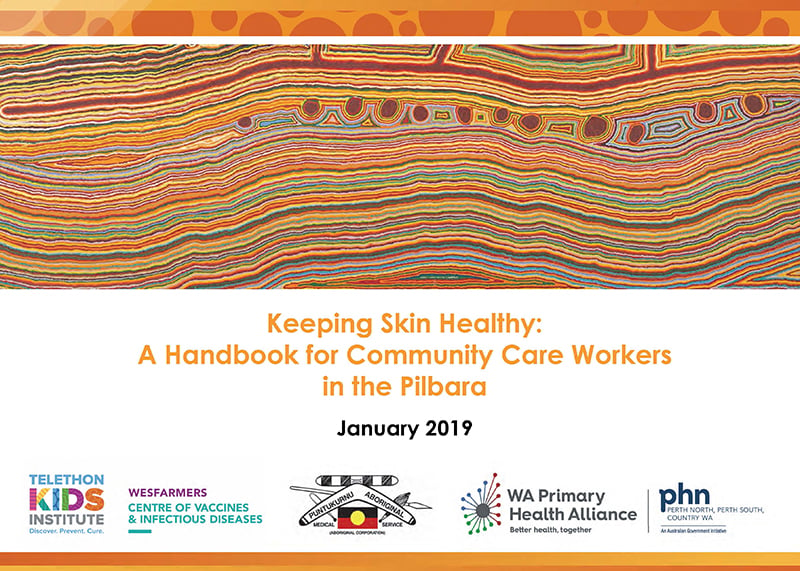
A year after launching the first National Healthy Skin Guideline to address record rates of skin infections in Australia’s Indigenous communities, The Kids Research Institute Australia has released a new resource as part of the guideline.
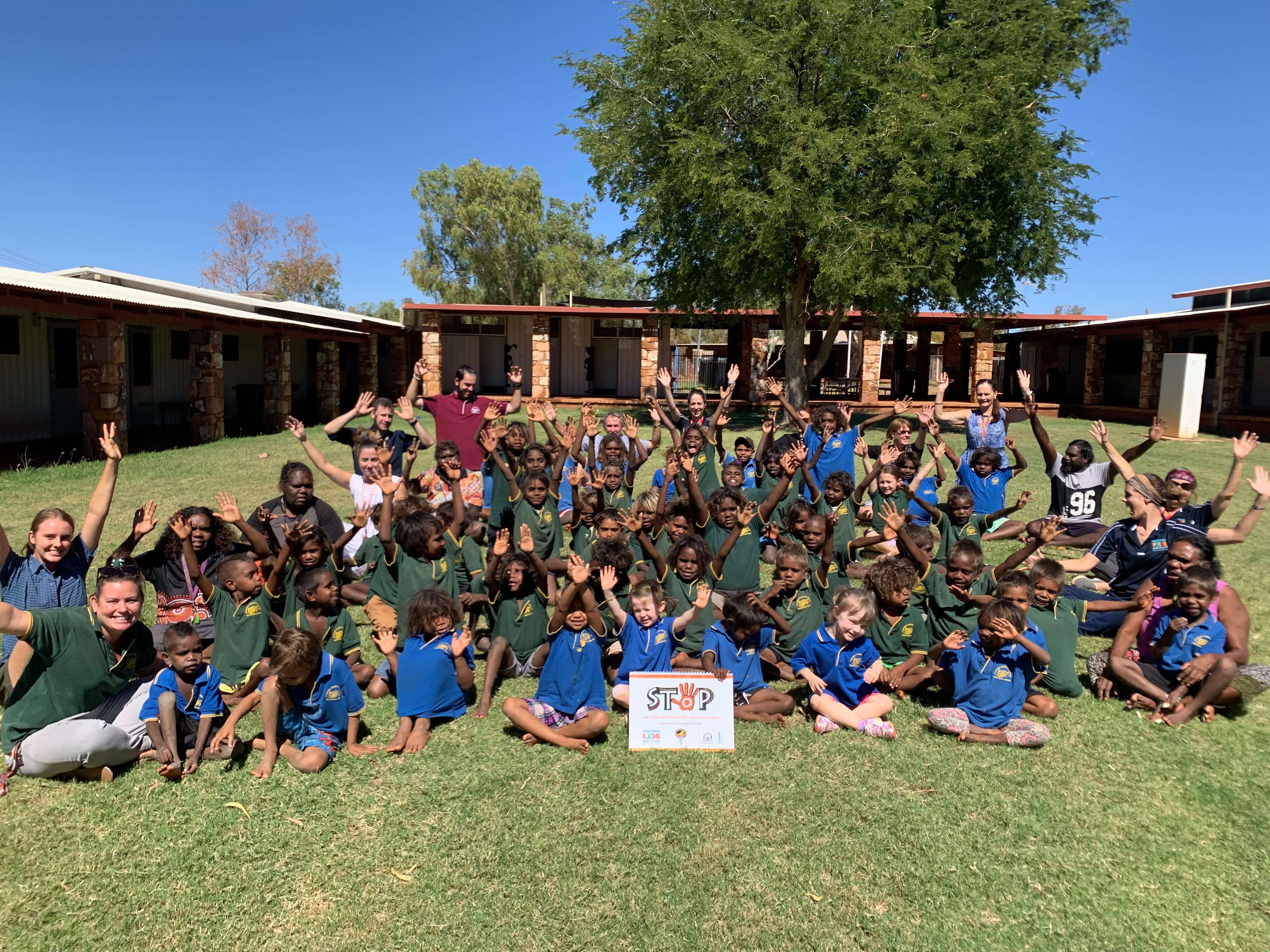
Aboriginal community members throughout the Kimberley will take a lead role in driving healthy skin messages within their own communities thanks to a major funding boost to The Kids Research Institute Australia’s SToP Trial.
Asha Tom Bowen Snelling BA MBBS DCH FRACP PhD GAICD FAHMS OAM BMBS DTMH GDipClinEpid PhD FRACP Head, Healthy Skin and ARF Prevention Head, Infectious
Indigenous Australian children suffer the highest rates of impetigo (skin sores) in the world, which can result in serious immune complications including chronic kidney and possibly rheumatic heart disease.