
Search
Showing results for " buy cvv2, 【 Visit Amsiga.com 】 ojM3t2s., cc shop carding, gift card no vbv, www validcc UNt2"
Researchers have identified key differences between cancers that respond to immunotherapy and those that do not.
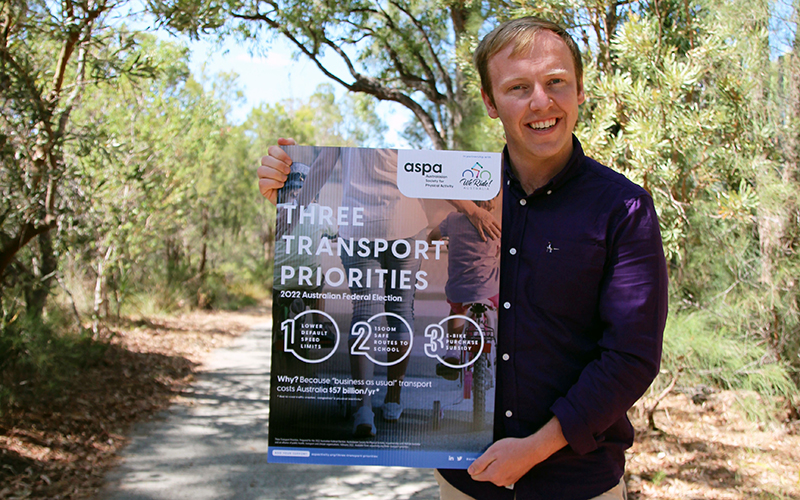
The Kids Research Institute Australia has backed a series of transport priorities to keep children safer on the roads, boost physical activity levels, and save the economy billions of dollars.

Dr Alex Brown to take up a new appointment as Professor of Indigenous Genomics.

14 important The Kids Research Institute Australia research projects have received support under the inaugural WA Near-miss Awards (WANMA) funding program.
As Australia battles with COVID-19 outbreaks across all mainland states, there is a sense of familiar dread as major cities plunge into lockdown.
Every year 650,000 Australian children suffer from recurrent or chronic middle ear infections called otitis media (OM).
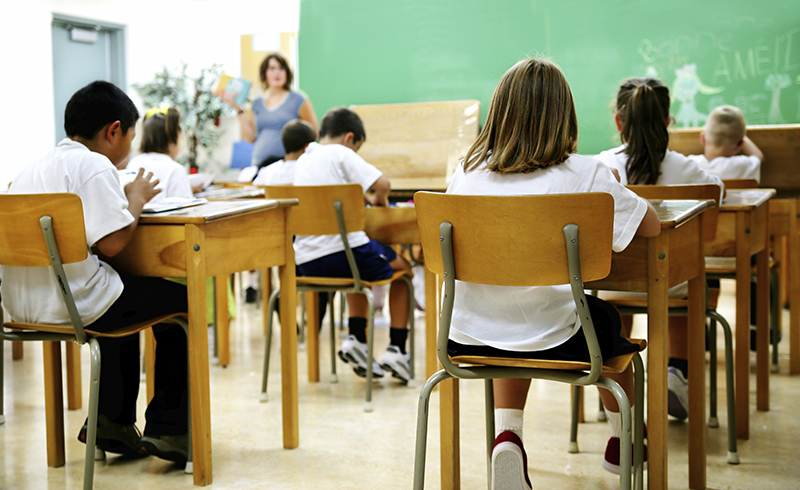
Western Australia has been highly successful at containing community spread of COVID-19 to date.
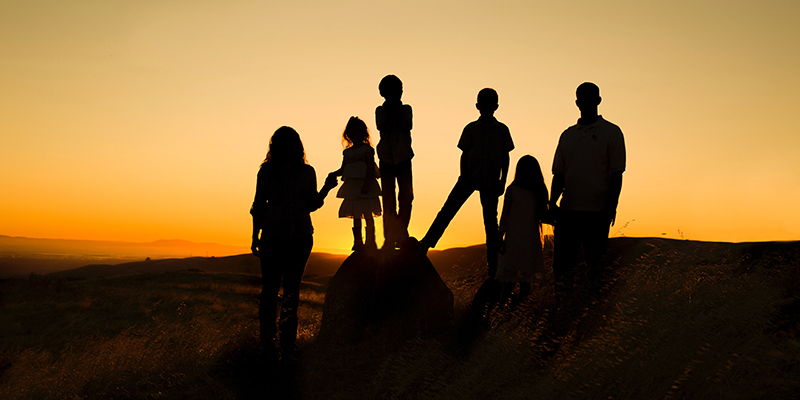
Bushfires can have a considerable impact on our physical and mental health, with some symptoms lasting long after the blaze is extinguished. And our children are amongst the most vulnerable.
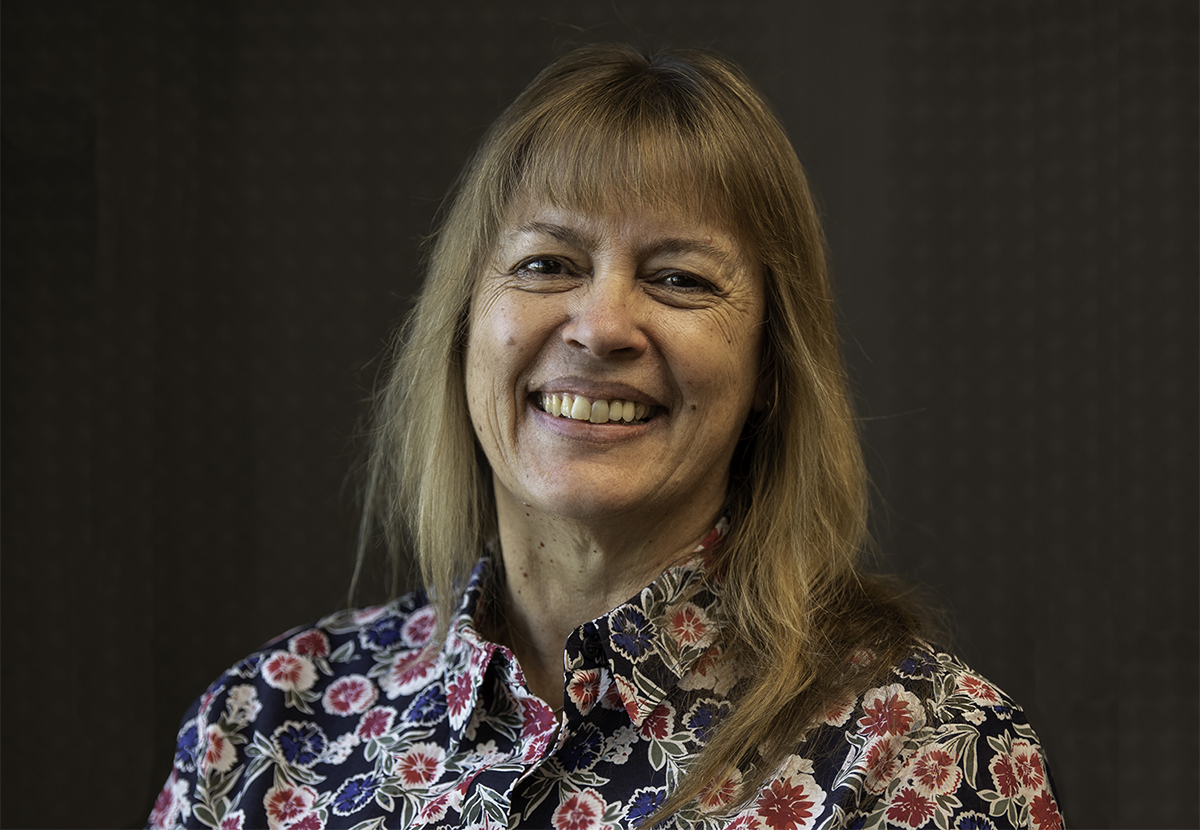
Pioneering Aboriginal psychiatrist, researcher and mental health champion Professor Helen Milroy has been named joint winner of the 2020 Australian Mental Health Prize.
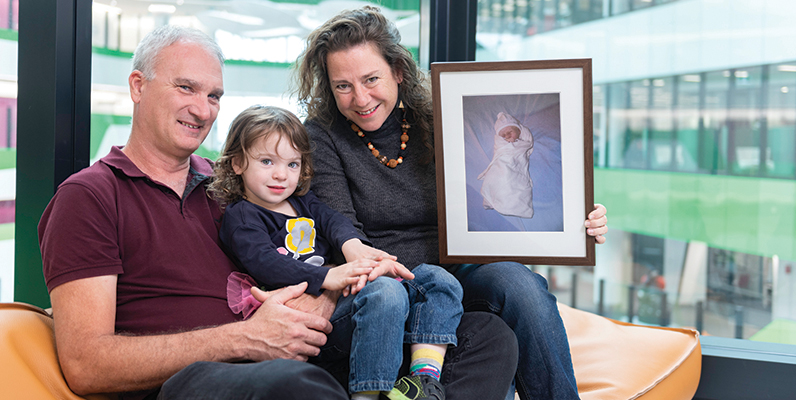
Telethon Kids Institute researchers believe a public education campaign, like the one SIDS, would help to reduce the number of babies who are stillborn.