
Search
Showing results for " buy cvv2, 【 Visit Amsiga.com 】 ojM3t2s., cc shop carding, gift card no vbv, www validcc UNt2"
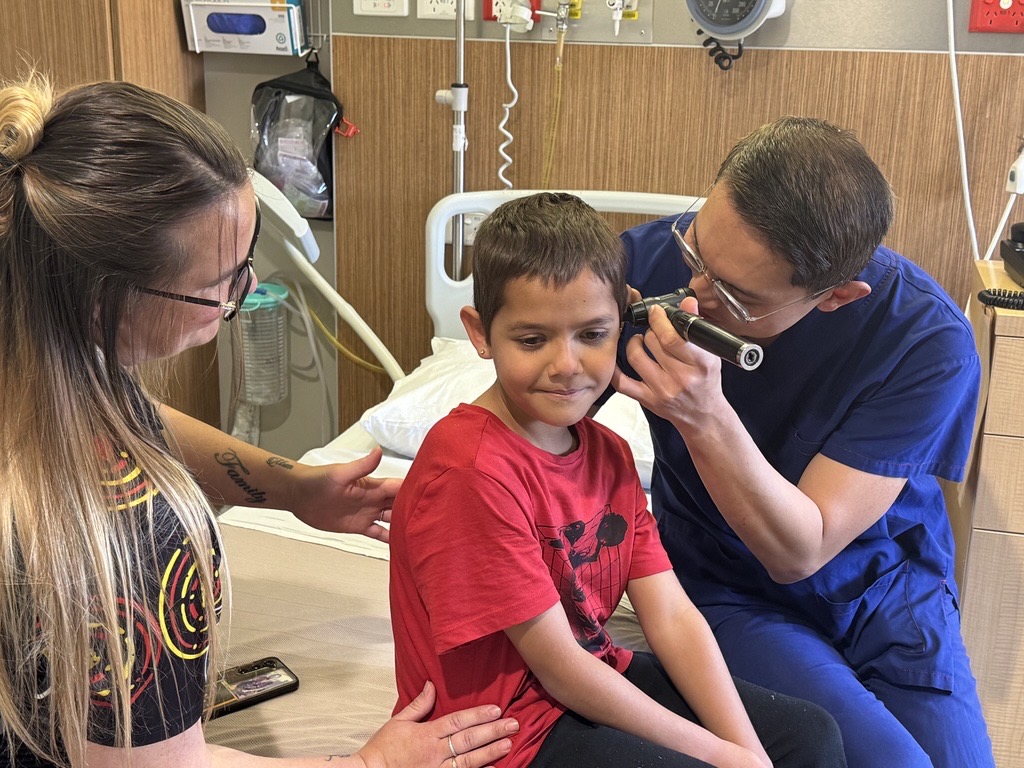
Painful ear infections and muffled sounds are a thing of the past for 100 Aboriginal children who have received free grommet surgery thanks to the Djaalinj Waakinj (listening and hearing) Ear Health program.
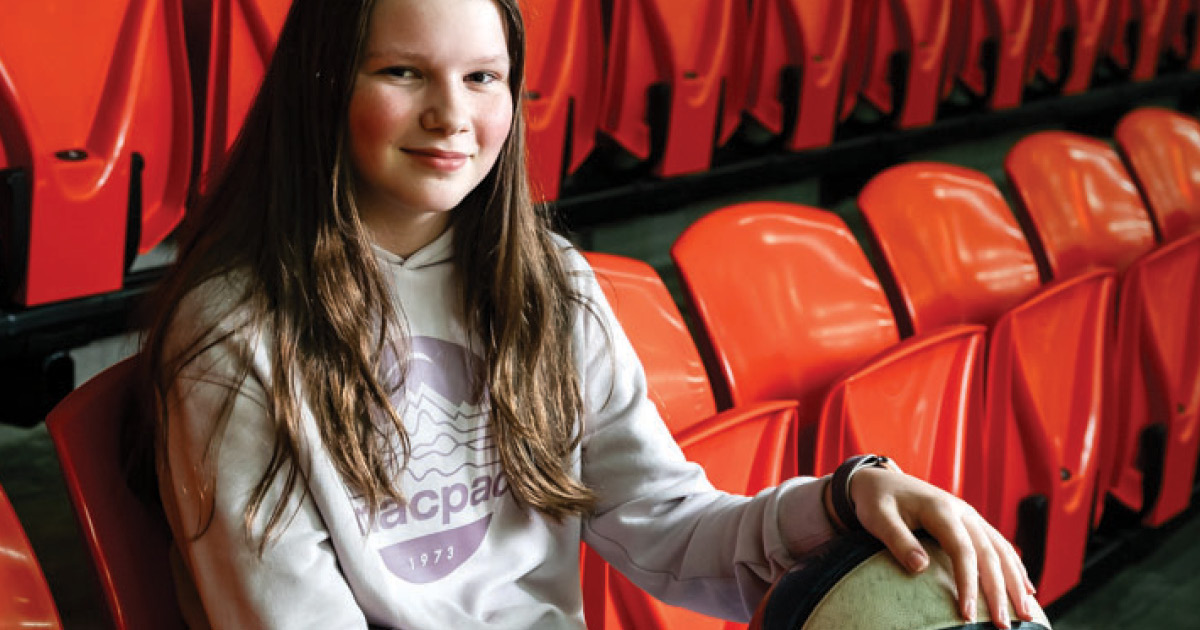
Sports coaches across Australia can now access WA-designed sport resources, which aim to help coaches better understand type 1 diabetes (T1D) and encourage children living with the condition to stay in sport.

Up to 50 homeless young people will be provided with training to help them recognise suicidal behaviour and make referrals to potentially life-saving resources, thanks to a grant from Suicide Prevention Australia.
Our volunteers play one of the most important roles in our Discovery Centre – they help kids play and understand the games.
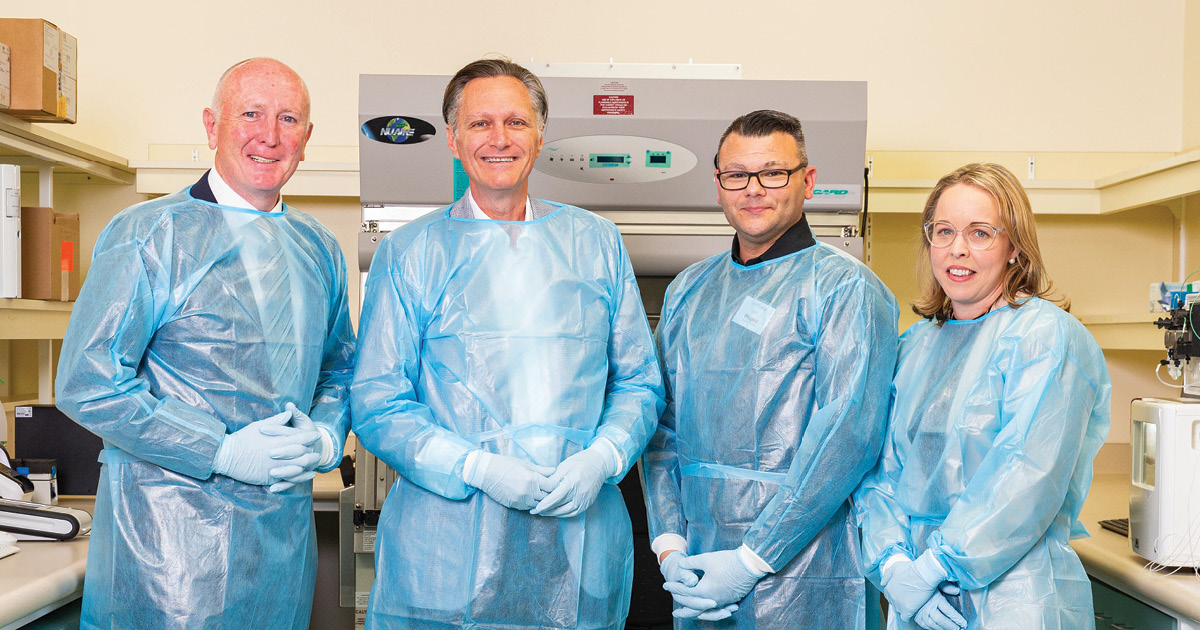
Western Australia’s first bacteriophage manufacturing facility has been opened in a significant development that brings patients battling antibiotic-resistant infections a step closer to life-saving phage therapy.
CDKL5 Deficiency Disorder (CDD) is a rare genetic disorder with symptoms of epilepsy, developmental impairments, and other comorbidities. Currently, there are no outcome measures for CDD with comprehensive evidence of validation. This study aimed to evaluate the psychometric properties of the Quality of Life Inventory-Disability (QI-Disability) in CDD. Quality of Life Inventory-Disability was administered to 152 parent caregivers registered with the International CDKL5 Disorder Database (ICDD).
No studies have yet examined high-resolution shifts in the spatial patterns of human movement in Australia throughout 2020 and 2021, a period coincident with the repeated enactment and removal of varied governmental restrictions aimed at reducing community transmission of SARS-CoV-2. We compared overlapping timeseries of COVID-19 pandemic-related restrictions, epidemiological data on cases and vaccination rates, and high-resolution human movement data to characterize population-level responses to the pandemic in Australian cities.
Streptococcus pyogenes, also known as group A streptococcus (StrepA), is a bacterium that causes a range of human diseases, including pharyngitis, impetigo, invasive infections, and post-infection immune sequelae such as rheumatic fever and rheumatic heart disease. StrepA infections cause some of the highest burden of disease and death in mostly young populations in low-resource settings. Despite decades of effort, there is still no licensed StrepA vaccine, which if developed, could be a cost-effective way to reduce the incidence of disease.
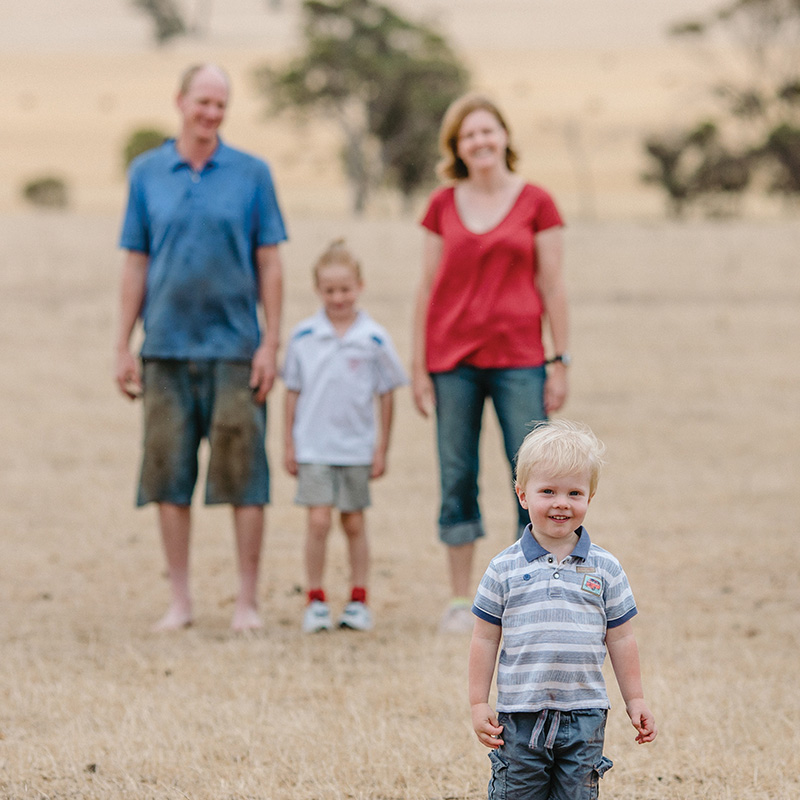
A program unfolding in four very diverse locations across Western Australia is working to give children aged 0–4 the best start in life.
Rheumatic heart disease, a major cause of morbidity and mortality in low- and middle-income countries, results from acute rheumatic fever (ARF), for which no diagnostic test currently exists. The ARF Diagnosis Collaborative Network (ARC Network) was established to address this gap by recruiting a rigorously phenotyped, globally representative cohort of children and adolescents with ARF and controls to support biomarker discovery.