
Search
Otitis media (OM) is the leading cause of childhood hearing loss but its burden in low-middle-income countries like Papua New Guinea (PNG) is poorly understood. We aimed to determine the proportion of children aged ≤15 years attending clinics in Goroka, Eastern Highlands Province, PNG with OM and associated risk factors.
We examined the human toll and subsequent humanitarian crisis resulting from the Russian invasion of Ukraine, which began on 24 February 2022.
Online youth-focused health programs often include parent modules—that equip parents with skills to assist their child in improving their health—alongside youth-specific content. BRAVE Self-Help, an evidence-based program designed for children and teenagers with early signs of anxiety, is a popular Australian program that includes six parent modules.
Leclercia adecarboxylata is a rare cause of septic arthritis in children, and has intrinsic resistance to common antibiotics. We describe two cases of L. adecarboxylata septic arthritis in children that required re-presentation to hospital with prolonged treatment, and highlight the importance of considering L. adecarboxylata as a potential cause of infection among children with penetrating injuries and associated environmental exposure.
Antisense oligonucleotides are an emerging therapeutic option to treat diseases with known genetic origin. In the age of personalised medicines, antisense oligonucleotides can sometimes be designed to target and bypass or overcome a patient's genetic mutation, in particular those lesions that compromise normal pre-mRNA processing. Antisense oligonucleotides can alter gene expression through a variety of mechanisms as determined by the chemistry and antisense oligomer design.
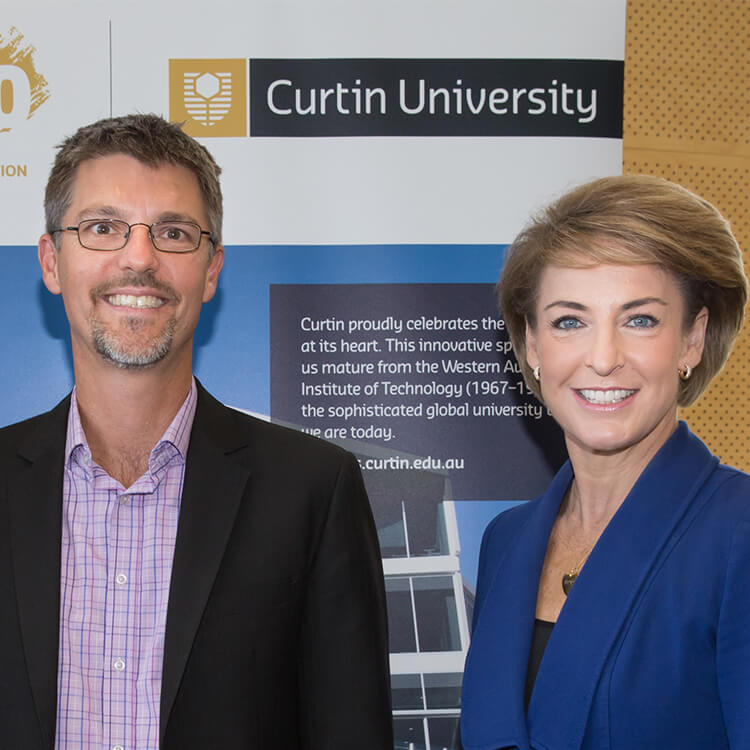
The Kids Research Institute Australia researchers have been awarded more than $8 million in prestigious project grants from the NHMRC.

Professor Bloom used his time to make a powerful case for the idea that 'healthier means wealthier' at the The Kids Annual Community Lecture for 2017
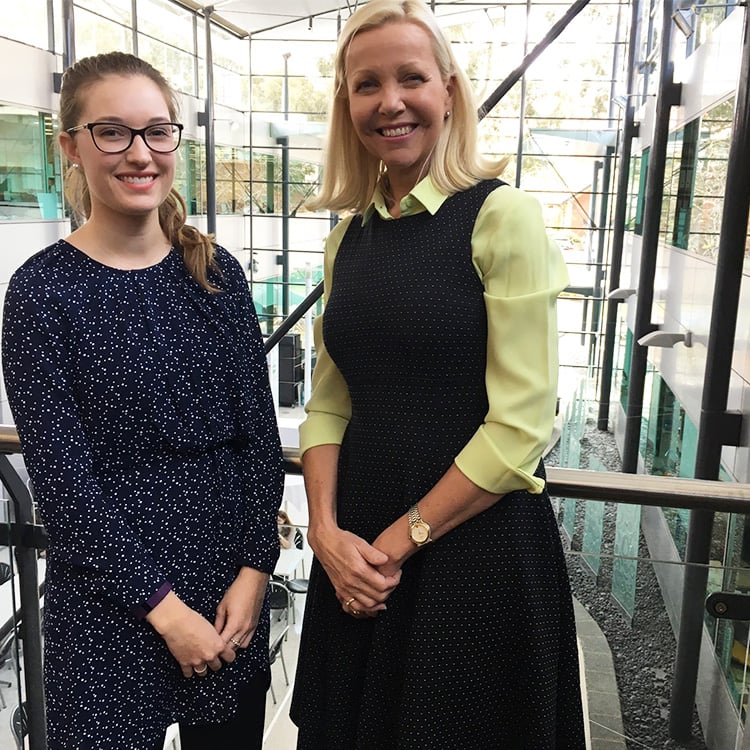
Curtin University researcher Belinda Cuomo is one of the first recipients of a CoLab Top-Up Scholarship.

New research has found children who are born even slightly premature or underweight are more likely to be hospitalised with an infection during their childhood
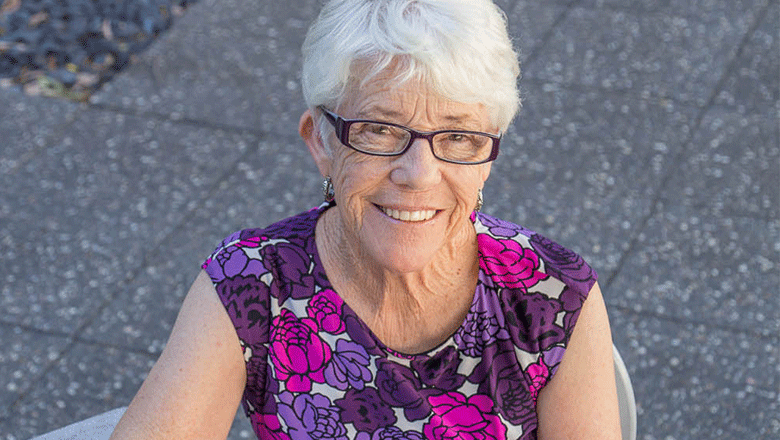
Anne MacKenzie has been recognised with the award of Member of the Order of Australia (AM).