
Search
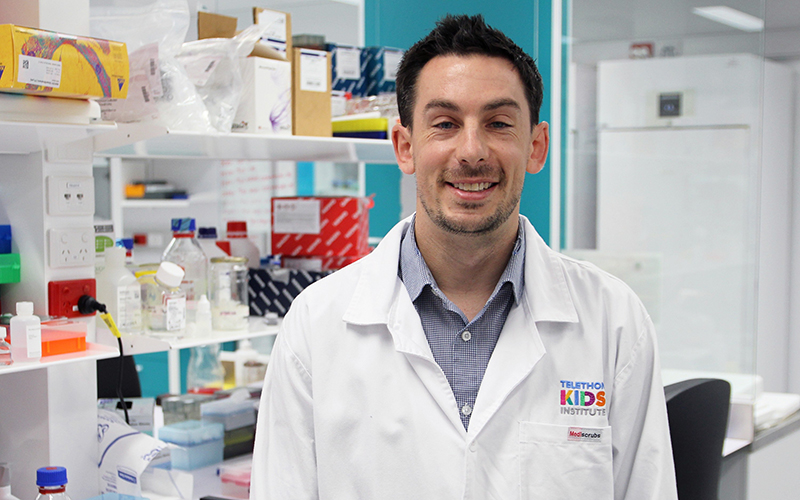
Cancer Council WA has awarded a Post-Doctoral Fellowship to Dr Ben Wylie, for his project to help kids with sarcoma.
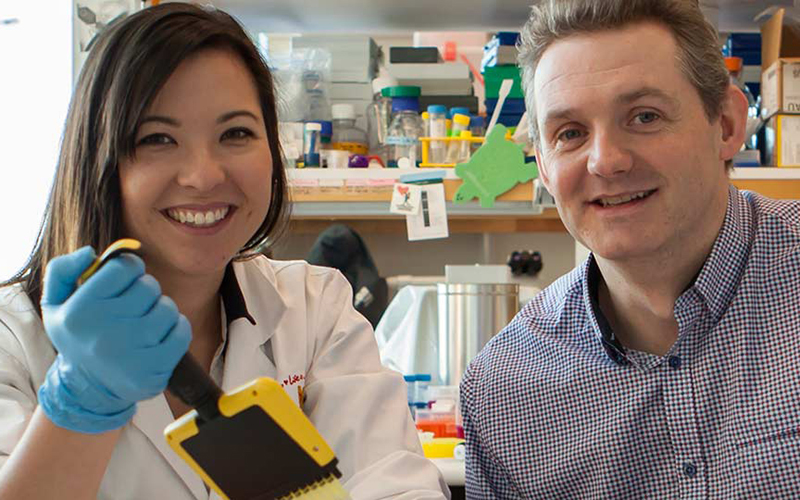
A new combination of drugs could help to increase survival rates with fewer side effects for some children with one of the most aggressive forms of childhood brain cancer.
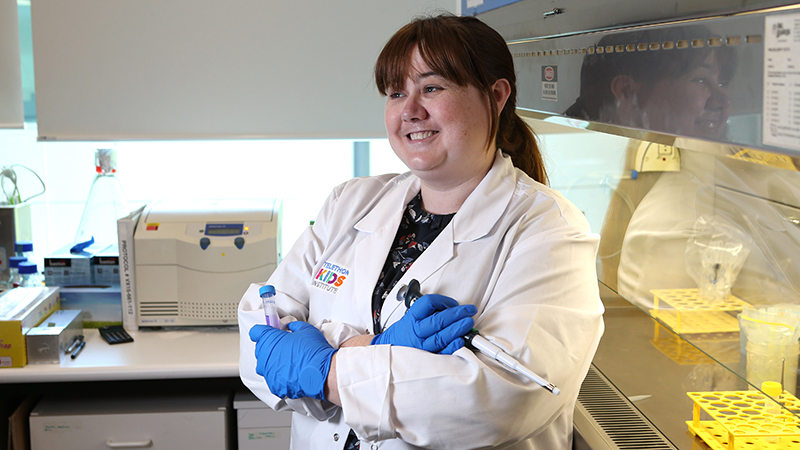
New research by The Kids shows donor immune cells are highly effective at boosting the body’s response against leukaemia.
Researchers at The Kids Research Institute Australia have been awarded $4.6 million in national funding from the National Health and Medical Research Council (NHMRC) and Medical Research Future Fund (MRFF) to help support child health research.

A The Kids Research Institute Australia researcher aiming to reduce the high rate of relapse in children after cancer surgery has won a prestigious post-doctoral fellowship from the Forrest Foundation.
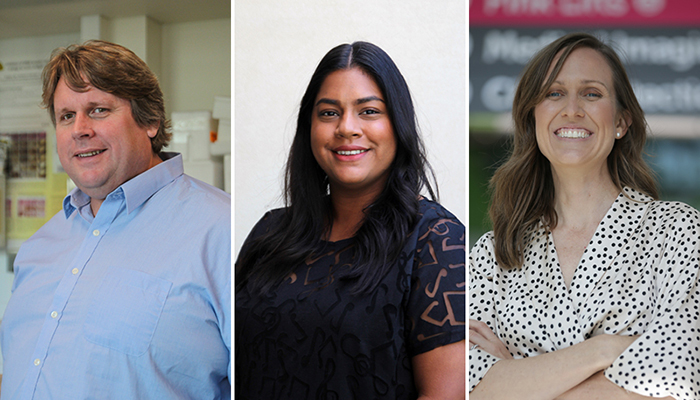
The Kids Research Institute Australia researchers have been awarded 12 of 16 grants under the latest round of funding from the WA Child Research Fund
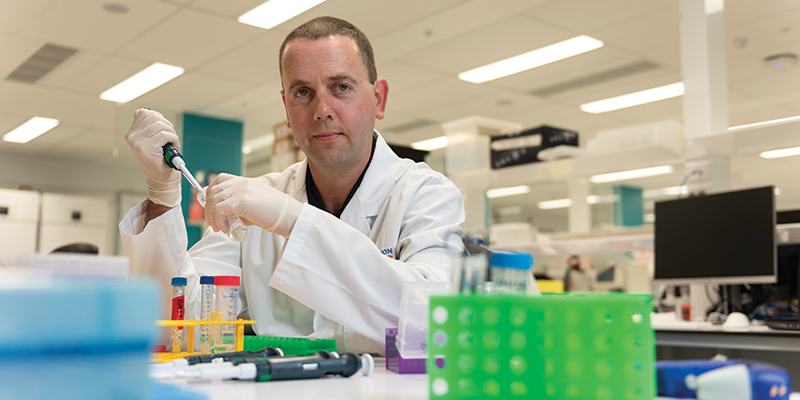
Cancer research is being reimagined after a collaboration between The Kids Research Institute Australia, the Peter Doherty Institute for Infection and Immunity.
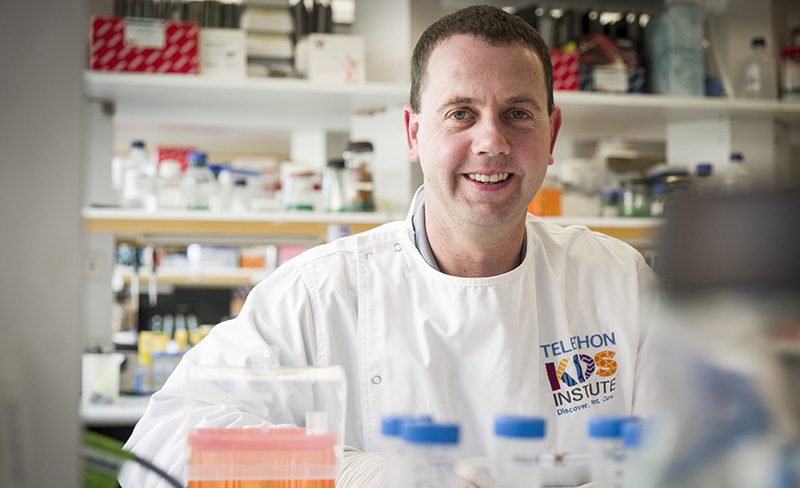
A team of Australian scientists including cancer researchers from The Kids Research Institute Australia have made a crucial breakthrough in understanding how the immune system puts cancer to sleep.
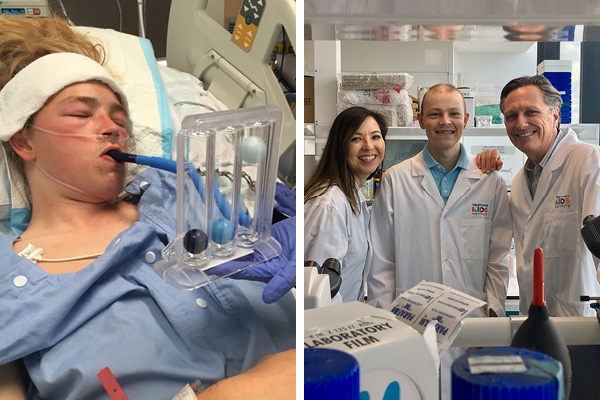
Baxter Hutchinson was diagnosed with two life-threatening brain tumours a year ago, aged 17. Since then he has undergone surgery, radiotherapy and chemotherapy in his journey to beat the cancer.
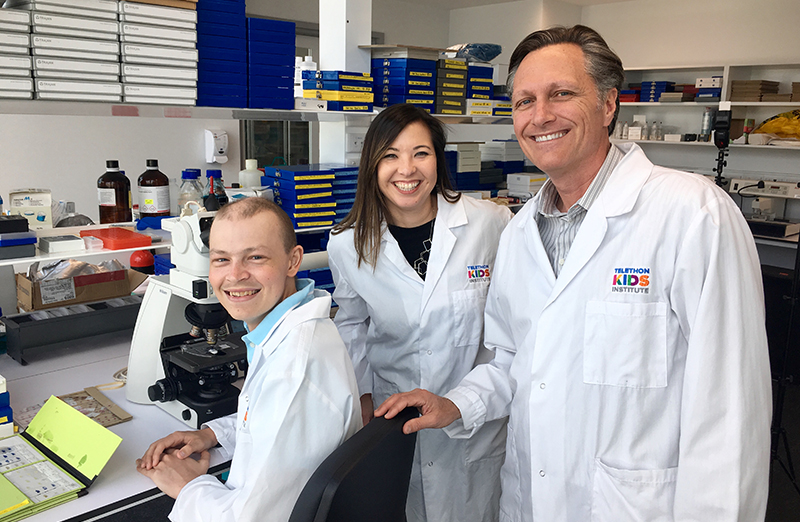
The Kids Research Institute Australia and Perth Children’s Hospital will lead an international clinical trial of a novel drug combination they hope will increase cure rates for one of the most aggressive forms of childhood brain cancer.