
Search
In 2023 severe acute respiratory syndrome coronavirus 2 (SARS-CoV-2) was declared endemic, yet hospital admissions have persisted and risen within populations at high and moderate risk of developing severe disease, which include those of older age, and those with co-morbidities. Antiviral treatments, currently only available for high-risk individuals, play an important role in preventing severe disease and hospitalisation within this subpopulation.
Seasonal malaria chemoprevention (SMC) with sulfadoxine-pyrimethamine plus amodiaquine prevents millions of clinical malaria cases in children younger than 5 years in Africa's Sahel region. However, Plasmodium falciparum parasites partially resistant to sulfadoxine-pyrimethamine (with quintuple mutations) potentially threaten the protective effectiveness of SMC. We evaluated the spread of quintuple-mutant parasites and the clinical consequences.
The clinical development of novel vaccines, injectable therapeutics, and oral chemoprevention drugs has the potential to deliver significant advancements in the prevention of Plasmodium falciparum malaria. These innovations could support regions in accelerating malaria control, transforming existing intervention packages by supplementing interventions with imperfect effectiveness or offering an entirely new tool.
Melissa Penny PhD, PD, BSc (Hons) Professor Fiona Stanley Chair in Child Health Research melissa.penny@thekids.org.au Professor Fiona Stanley Chair
In malaria epidemiology, interpolation frameworks based on available observations are critical for policy decisions and interpreting disease burden. Updating our understanding of the empirical evidence across different populations, settings, and timeframes is crucial to improving inference for supporting public health.
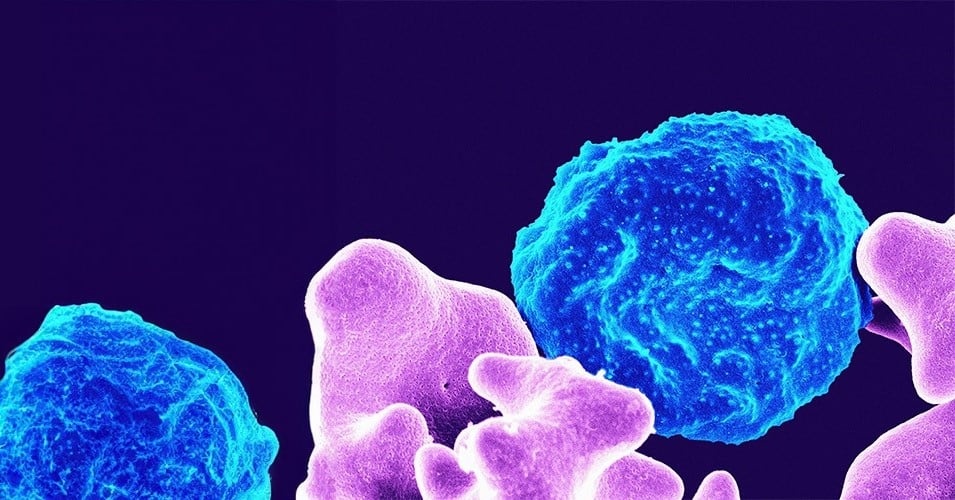
We help shape how the world responds to infectious diseases: guiding vaccine and treatment development, and advising on public health measures to control and eliminate disease. Our mathematical models capture how diseases spread, how severe infections are, and how childhood exposure shapes health across a lifetime.

Julian is the Program Manager for the Global Disease Modelling team at The Kids Research Institute Australia.

Epke is a veterinarian that specializes in infectious disease control, and holds a PhD in human neglected tropical disease (NTD) control and elimination.

A USD $3.25 million international grant will see researchers from The Kids Research Institute Australia and The University of Western Australia play a pivotal role in accelerating the development of next-generation malaria vaccines, helping protect children from one of the world's deadliest infectious diseases.
This project forms a program of modelling to inform the Gate's Foundation’s malaria product development portfolio, otherwise known as the Integrated Portfolio Management (IPM) project.