
Search
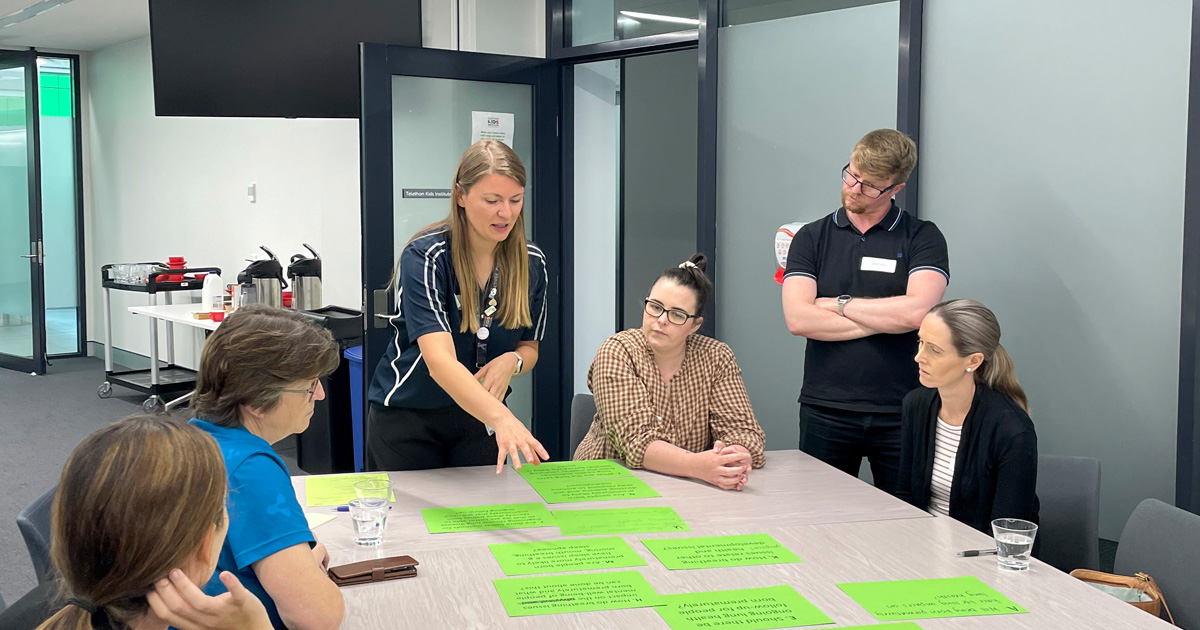
Respiratory disease remains one of the most significant complications of preterm birth, with lasting consequences.

Researchers developing a world-first treatment that targets an underlying cause of asthma have secured a $499,640 grant from the Future Health, Research and Innovation Fund – Innovation Seed Fund.

For decades, cystic fibrosis (CF) meant a life shaped by daily treatments, frequent hospitalisations, and an uncertain future. The arrival of CFTR modulators has changed that picture dramatically, and researchers at the Wal-yan Respiratory Research Centre now want to understand the bigger picture.

Leading the fight against Antimicrobial Resistance (AMR) in Western Australia.

Access to phage therapy, a treatment option for antibiotic resistant superbugs, is now one step closer for people with CF in WA thanks to a $500,000 donation from Conquer Cystic Fibrosis to the Wal-yan Respiratory Research Centre.

Wal-yan researchers have been awarded $500,000 for their innovative research, supported by the Western Australian Government’s Future Health Medical Research and Innovation (FHRI) Fund.
The key projects undertaken at Wal-yan Respiratory Research Centre.
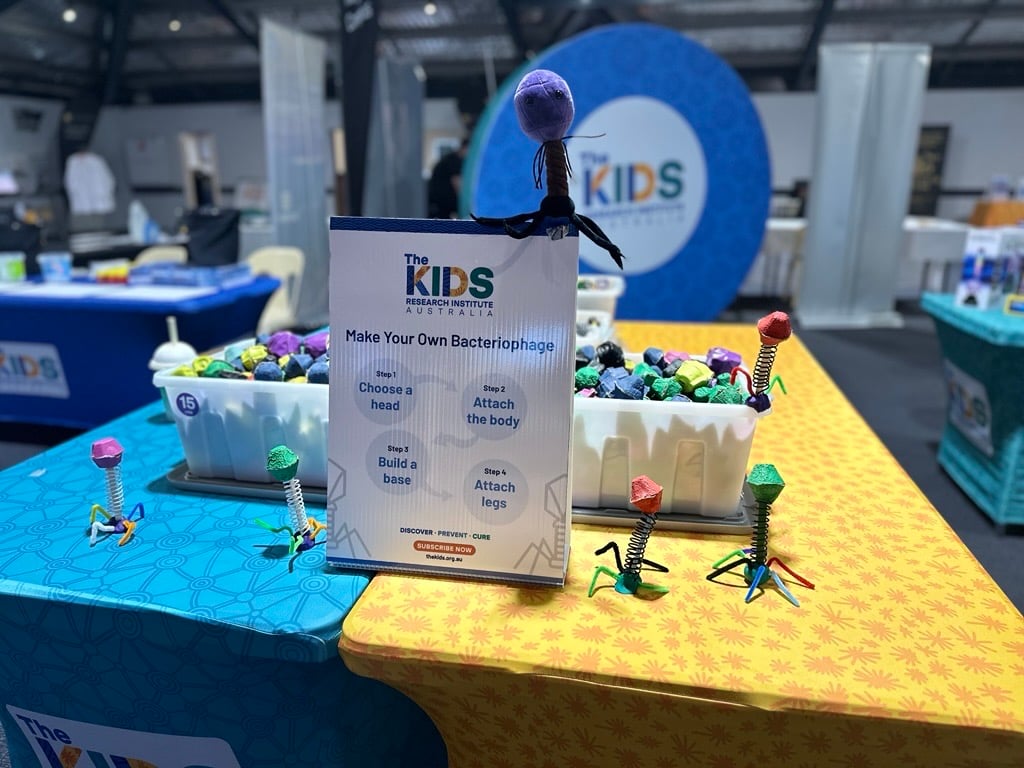
Associate Professor Anthony Kicic is working alongside local Indigenous communities to search land and water for naturally occurring bacteriophages.
Although average contraceptive use has increased globally in recent decades, an estimated 222 million (26%) of women of child-bearing age worldwide face an unmet need for family planning-defined as a discrepancy between fertility preferences and contraception practice, or failing to translate desires to avoid pregnancy into preventative behaviours and practices.
Aboriginal children hospitalised with acute lower respiratory infections (ALRIs) are at-risk of developing bronchiectasis, which can progress from untreated protracted bacterial bronchitis, often evidenced by a chronic (>4 weeks) wet cough following discharge. We aimed to facilitate follow-up for Aboriginal children hospitalised with ALRIs to provide optimal management and improve their respiratory health outcomes.