
Search
Showing results for " https://www.galaxus.ch/en/sector/showdiscussion/snapchat-hack-v3-visit-kunghaccom-fot6scw9-222286"

Nutrition is important during the COVID-19 pandemic because it can provide both physical and mental health benefits.
The epidemiology of invasive meningococcal disease has changed over the last decade and there has been an increase in cases caused by serogroup W135, particularly in Indigenous children. Extra‐meningeal and atypical presentations are associated with serogroup W and may delay diagnosis and therefore appropriate treatment. Public and clinician awareness are essential in facilitating effective new vaccine schedule implementation.
AMR is a rapidly growing challenge and has been identified as one of the World Health Organizations top 10 global health threats, with the potential to undo many of the health gains observed over the last century.
Vancomycin is first-line treatment for methicillin-resistant Staphylococcus aureus infections. However, despite guideline recommendations, there is no evidence that targeting vancomycin trough concentrations of ≥15 mg/L in children confers clinical benefit and is associated with vancomycin-associated nephrotoxicity.
The Australian and New Zealand Paediatric Infectious Diseases (ANZPID) Group of the Australasian Society for Infectious Diseases (ASID) calls for urgent consideration of the needs and voices of children in response to the COVID-19 pandemic, and in planning for future pandemics.
Staphylococcus aureus bacteraemia (SAB) is the most common cause of sepsis, contributing to paediatric intensive care unit admission in Australia and New Zealand. While deep venous thrombosis (DVT) has been reported in children with invasive S. aureus infections, the actual frequency and possible effects of thrombosis on disease severity and outcome in paediatric SAB remain unknown. Moreover, guidance regarding imaging for paediatric SAB management are poorly defined.
Port Hedland is hosting some of Australia’s most respected health researchers this week as they join forces with local health professionals to improve the health of people living in the tropical north of the country.
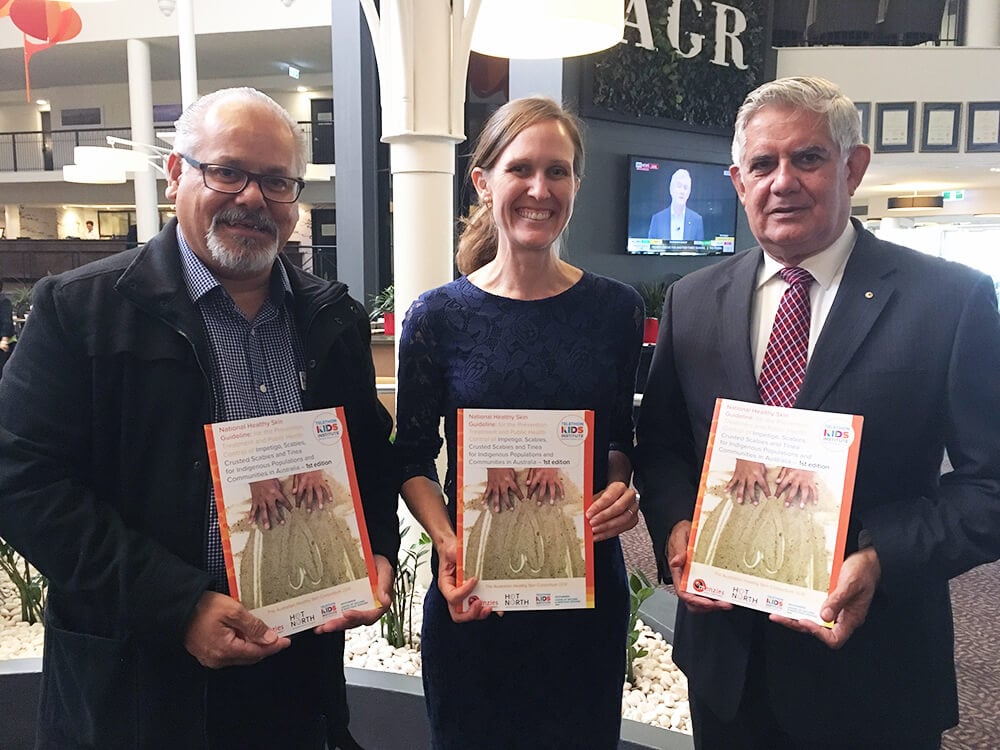
Researchers have developed the first National Healthy Skin Guideline to address record rates of skin infections in Australia’s Indigenous communities.
A world-first survey of Australian doctors and medical students has shown they are burnt-out and likely to have poorer mental health than the general community.

Australia’s largest study into the causes of type 1 diabetes reached a significant milestone when it recruited its first family in Perth with three children recently.