Search
Research
Impacts on influenza A(H1N1)pdm09 infection from cross-protection of seasonal trivalent influenza vaccines and A(H1N1)pdm09 vaccines: Systematic review and meta-analysesWe did a systematic literature search to identify observational and/or interventional studies reporting cross-protection of TIV and A(H1N1)pdm09...
Research
A bivalent Neisseria meningitidis recombinant lipidated factor H binding protein vaccine in young adults:Neisseria meningitidis is a leading cause of meningitis and septicaemia, but a broadly-protective vaccine against endemic serogroup B disease is not licensed...
Research
Crowding and other strong predictors of upper respiratory tract carriage of otitis media-relatedWe investigated predictors of nasopharyngeal carriage in Australian Aboriginal and non-Aboriginal children.
Research
Immunogenicity and safety of a combined Haemophilus influenzae type b-NeisseriaNeisseria meningitidis serogroups B, C, and Y cause most meningococcal disease in industrialized countries...
Research
Safety and Immunogencity of a Prototype Adjuvanted Inactivated Split-Virus Influenza A (H5N1) Vaccine in Infants and ChildrenHighly pathogenic avian influenza A virus (H5N1) is a leading candidate for the next influenza pandemic, and infants and children may play an important role...
Research
Socio-economic inequality underpins inequity in influenza vaccination uptake between public and private secondary schools: an Australian population-based studySocio-economic inequality and vaccination inequity have long been critical issues. However, no studies have explored the gap in influenza vaccination uptake between public and private schools. Importantly, the extent to which socio-economic inequality translates into vaccination uptake inequity has not been quantified.
Research
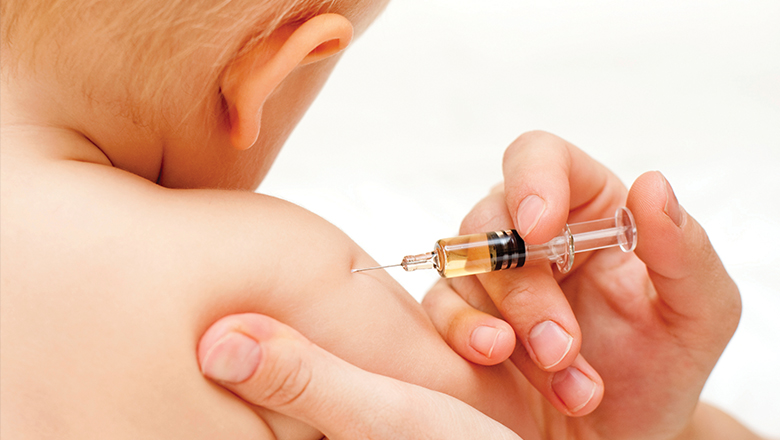
VaccinationVaccination is the injection of an inactivated bacteria or virus into the body. This simulated infection allows an individual's immune system to develop an adaptive immunity for protection against that type of illness. When a sufficiently large percentage of a population has been vaccinated, this results in herd immunity.
Research
The Platform trial In COVID-19 vaccine priming and BOOsting (PICOBOO) booster vaccination substudy protocolCoronavirus-2019 (COVID-19) vaccination in Australia commenced in February 2021. The first vaccines recommended for use were AZD1222 and BNT162b2, both delivered as a two-dose primary schedule. In the absence of sustained immunity following immunisation, recommendations for booster vaccination have followed. It is likely that periodic boosting will be necessary for at least some Australians, but it is unknown what the optimal booster vaccines and schedules are or for whom vaccination should be recommended.
Research
Biomarkers of vaccine safety and efficacy in vulnerable populations: Lessons from the fourth international precision vaccines conferenceVaccination has been a cornerstone of public health, substantially reducing the global burden of infectious diseases, notably evident during the COVID-19 pandemic caused by SARS-CoV-2.
Research
Automated reporting of primaquine dose efficacy, tolerability and safety for Plasmodium vivax malaria using a systematic review and individual patient data meta-analysisThe antirelapse efficacy of primaquine is related to the total dose administered, whereas the risks of haemolysis and gastrointestinal intolerance are associated with the daily dose administered. National Malaria Control Programmes require local information on efficacy, tolerability and safety to optimize antimalarial treatment policies for Plasmodium vivax malaria control and elimination efforts.