
Search
Alcohol exposure in pregnancy is a common and modifiable risk factor for poor pregnancy and child outcomes.
To establish baseline prevalence of neural tube defects (NTDs) prior to mandatory folic acid fortification in Australia.
Rates of Down syndrome (DS) show considerable international variation, but a systematic assessment of this variation is lacking.
The aim of this study was to examine trends of Down syndrome (DS) in relation to maternal age and termination of pregnancies (ToP) in 20 registries
There is a lack of evidence regarding the effect of dose, pattern and timing of prenatal alcohol exposure and behaviour problems in children aged 2 years.
This study describes the impact of having a sibling with Down syndrome or Rett syndrome using a questionnaire completed by parents.
This study compared the behavior profile of cases in the Australian Rett Syndrome Database (ARSD) with those in a British study using the Rett Syndrome...
To analyze the incidence of type 1 diabetes in 0- to 14-year olds in Western Australia, from 1985 to 2002, by region and socioeconomic status.
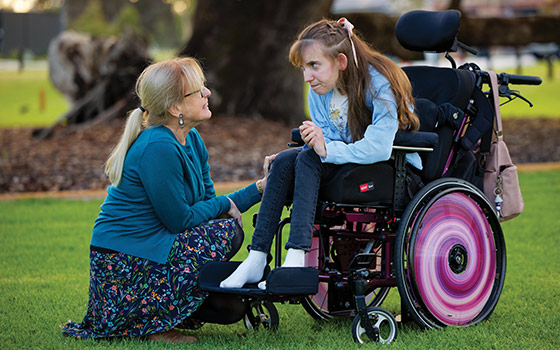
The Quality of Life Inventory - Disability
Fetal Alcohol Spectrum Disorder is a neurodevelopmental disorder caused by exposure to alcohol in utero. It has pervasive, lifelong impacts and is recognised as a major public health concern in many countries where alcohol is used. The FASD Research Australia Centre of Research Excellence was funded by the National Health and Medical Research Council to generate and translate evidence to address prevention, diagnosis, and management of FASD in Australia.