
Search
The heterogeneity of autism spectrum disorder clinically and aetiologically hinders intervention matching and prediction of outcomes. This study investigated if the behavioural, sensory, and perinatal factor profiles of autistic children could be used to identify distinct subgroups. Participants on the autism spectrum aged 2 to 17 years and their families were sourced via the Australian Autism Biobank.
Manifestations of insistence on sameness and circumscribed interests are complex, with individuals varying considerably, not only in the types of behaviours they express, but also in terms of a behaviour's frequency, intensity, trajectory, adaptive benefits, and impacts.
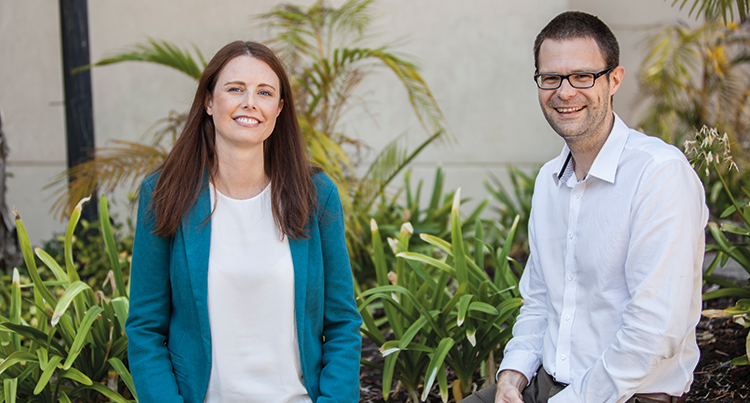
Professor Andrew Whitehouse tells how Australia’s first national guideline for the diagnosis of autism spectrum disorder is going to transform the way the condition is assessed and managed, vastly improving the experience for families.
A research review from The Kids for Child Health Research has cast doubt on the effectiveness of some complementary and alternative therapies for

The Kids has signed an MoU with leading technology developer NEC Australia to explore opportunities to apply NEC’s AI technologies in our medical research.
Birth order effects have been linked to variability in intelligence, educational attainment and sexual orientation. First- and later-born children have been linked to an increased likelihood of an Autism Spectrum Disorder (ASD) diagnosis, with a smaller body of evidence implicating decreases in cognitive functioning with increased birth order. The present study investigated the potential association between birth order and ASD diagnostic phenotypes in a large and representative population sample.
Social media allows users to connect with others’ experiences and points of view, with TikTok being the fastest-growing platform worldwide. Highly viewed videos related to neurodiversity on TikTok have an increasing role in understanding and acceptance of neurodivergent individuals.
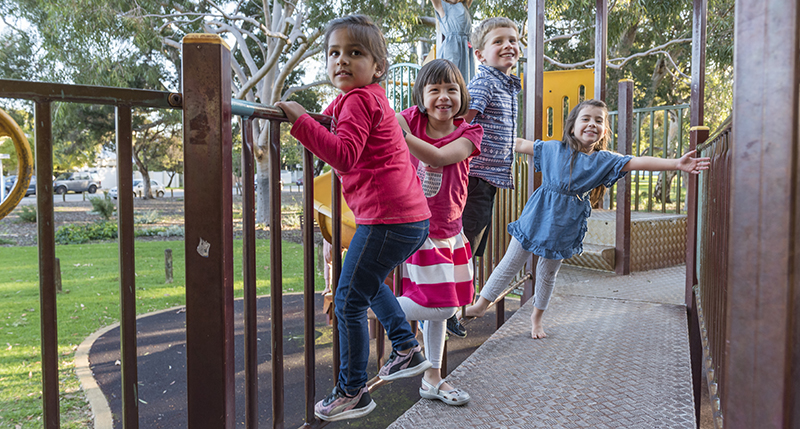
On International Day for People with Disability this Sunday, The Kids Research Institute Australia celebrates the children and families we work with in our research, as we strive for better outcomes for kids with disability.
The Kids Research Institute Australia research has shown nearly 50 per cent of children with autism have tried fish oil supplements, but does it actually improve symptoms?
Individuals exhibiting pronounced autistic traits (e.g., social differences and specialised interests) may struggle with cognitive empathy (i.e., the ability to infer others' emotions), although the relationship with affective empathy (i.e., the ability to share others' emotions) is less clear in that higher levels of autistic traits may be linked with increased affective empathy for negative emotions but reduced affective empathy for positive emotions. The current study investigates this empathy profile and whether alexithymia and emotion dysregulation help to explain it.