
Search
Bold new approaches are urgently needed to overcome global health challenges. The proposed Advanced Research Projects Agency for Health (ARPA-H) is intended to provide rapid health breakthroughs.
This study explores how the first wave of the COVID‐19 pandemic influenced family routines, relationships and technology use (smartphones and tablet computers) among families with infants. Infancy is known to be an important period for attachment security and future child development, and a time of being susceptible to changes within and outside of the family unit.
This study aims to understand the experience and impact of the initial COVID-19 lock-down in young families with children aged below 4 years. Free text questions were administered to participants in the ORIGINS (Australia) and Born in Bradford (UK) cohort studies to collect qualitative information on worries, concerns and enjoyable experiences during the pandemic.
During the COVID-19 pandemic, breastfeeding women have experienced restricted access to support, placing them at increased risk of mental health concerns and limited breastfeeding assistance. This study investigated the effect of the pandemic on feeding choices and maternal wellbeing amongst breastfeeding mothers living in Australian and New Zealand. We conducted a cross-sectional online survey that examined feeding methods, maternal mental wellbeing, worries, challenges, and positive experiences during the pandemic.
A lifestyle intervention starting in the first-trimester pregnancy utilising e-health mode of delivery is feasible
Overweight and obese children reported greater psychosocial distress than healthy weight children, and these differences were more pronounced for girls than boys.
With more than one in four Australian children overweight or obese, and the significant risks this poses for health problems like asthma, depression,...
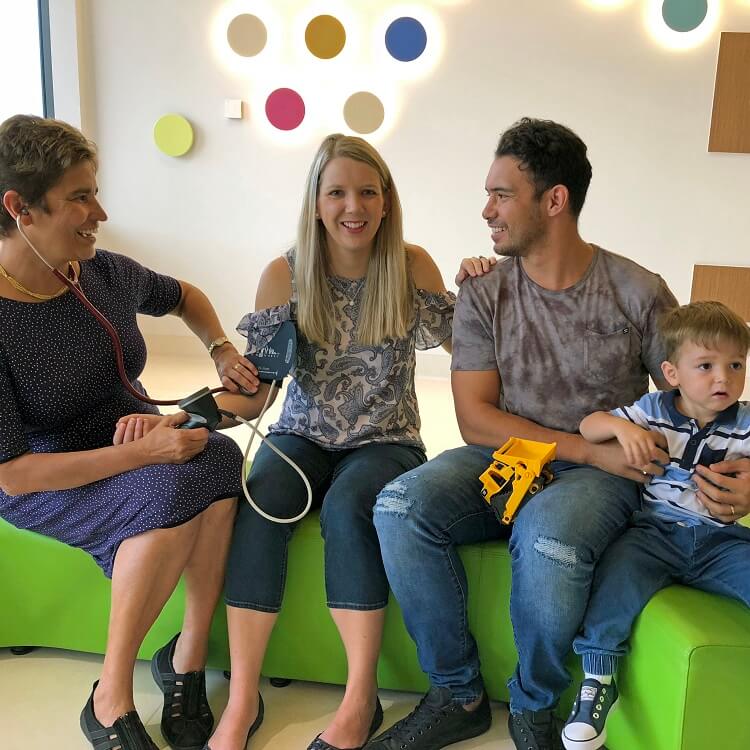
ORIGINS, a collaboration between The Kids and the Joondalup Health Campus, has achieved a major milestone – recruiting its 1000th family.
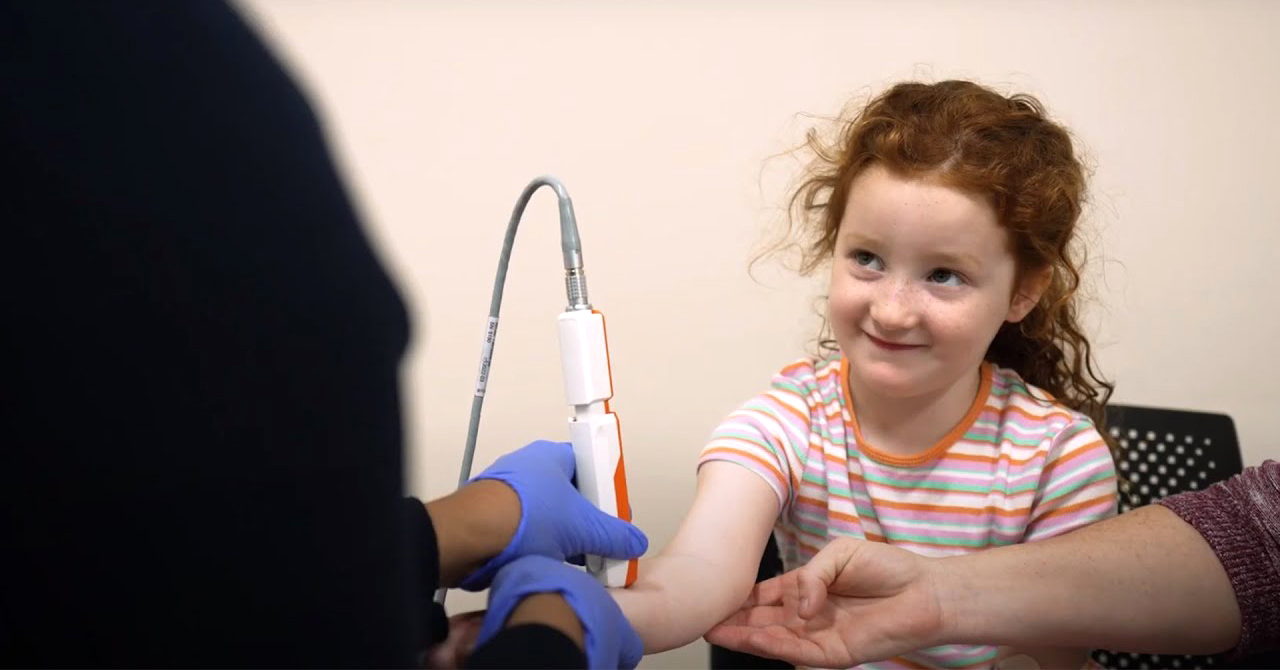
Australia’s largest longitudinal birth cohort study of its kind – ORIGINS – has reached a major milestone with the launch of its 8-Year Kids' Checks, marking the study’s transition into the primary school years.
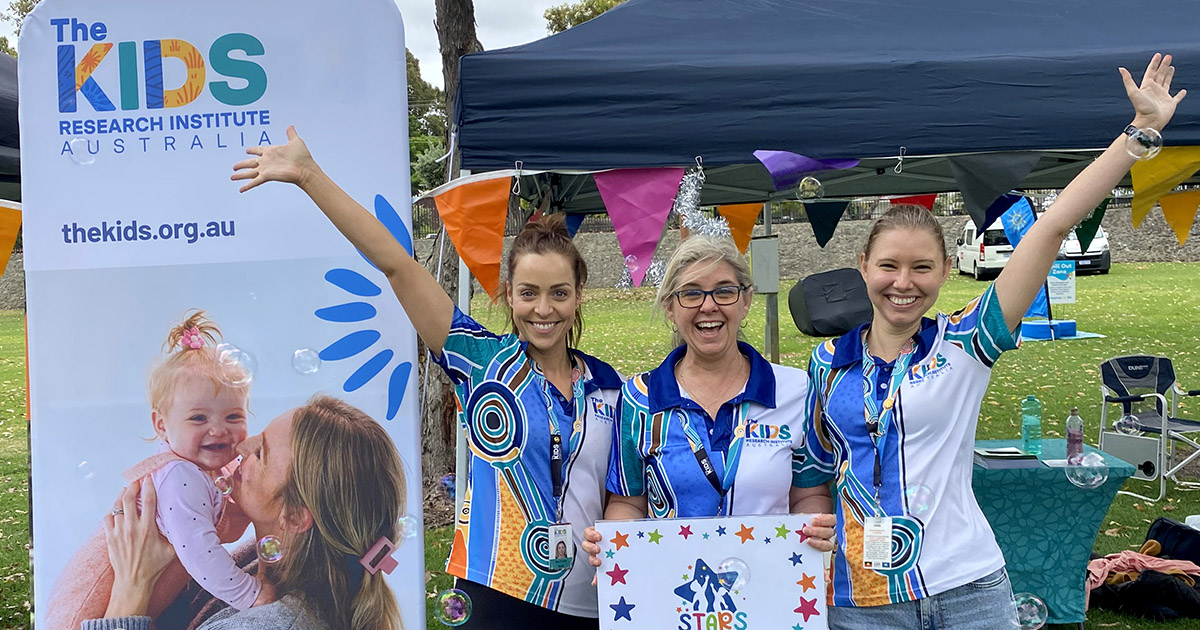
STARS for Kids, a sub-project of ORIGINS, received a three-year grant to advance the development of a scalable, online, tiered model of care to better support disadvantaged communities, where 20-25 per cent of children are entering school developmentally vulnerable.