
Search
Brain tumors presenting in infancy, especially during the first 6 months of life.
Medulloblastoma (MB) is the most common type of malignant childhood brain tumour.
Medulloblastoma (MB) is the most common malignant brain tumor in children and a leading cause of cancer-related mortality and morbidity.
Medulloblastoma (MB) is the most common malignant brain tumor in children and a leading cause of cancer-related mortality and morbidity.
With improvement in leukemia therapy, central nervous system (CNS) tumors are the leading cause of cancer mortality in children and the most expensive...
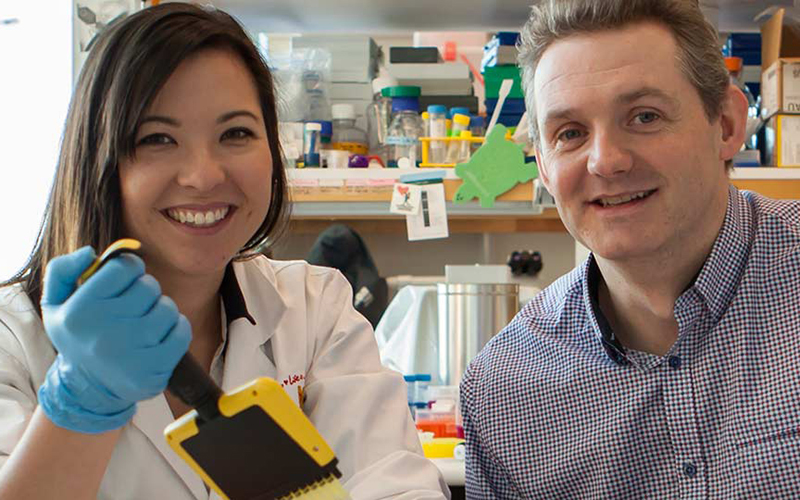
A new combination of drugs could help to increase survival rates with fewer side effects for some children with one of the most aggressive forms of childhood brain cancer.
While profound treatment responses have been realised using immunotherapy for some cancer types, this is yet to be seen for paediatric brain cancer patients.
Neuroblastoma is a complex childhood cancer of the nerve cells and the most common solid tumour in children outside of the brain. The average age of diagnosis is 1-2 years and tragically 50% of children with high-risk neuroblastoma lose their battle within five years.
Radiation therapy is an essential component of brain cancer treatment. However, the high doses currently required are extremely damaging to the growing brains and bodies of children.

Co-Head, Brain Tumour Research