
Search
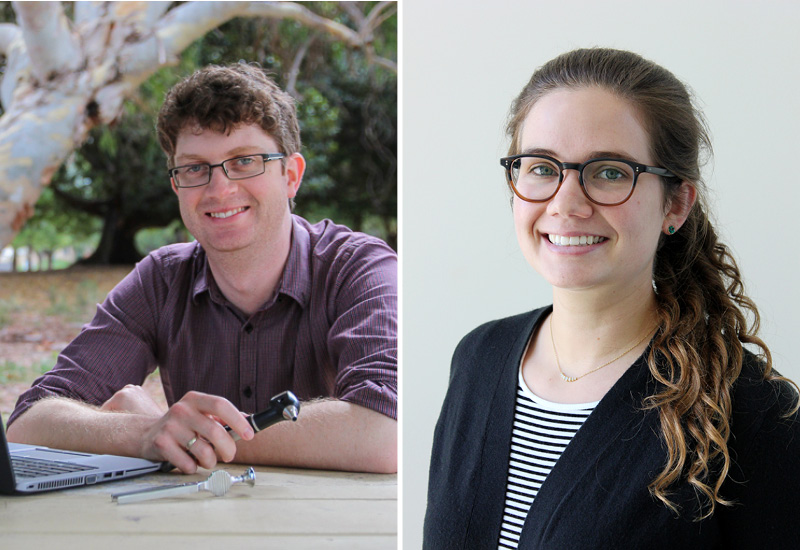
Two The Kids Research Institute Australia researchers have been named as finalists in the 2020 Western Australian Premier’s Science Awards.
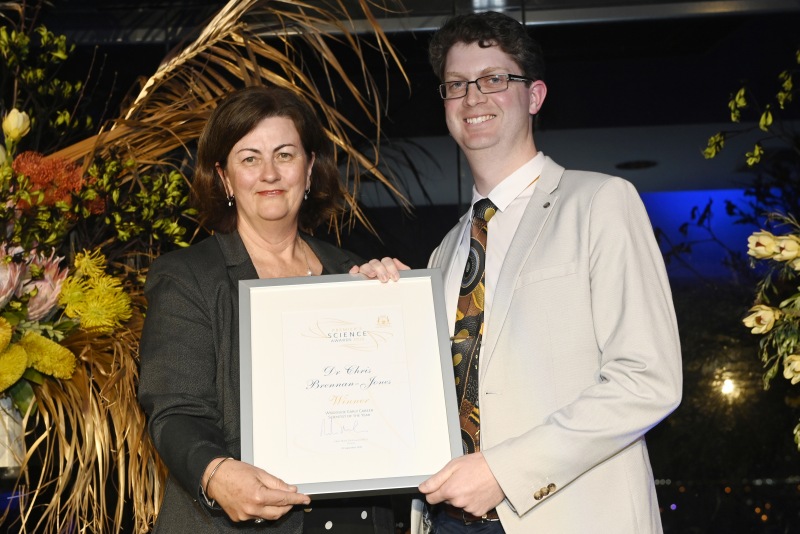
Congratulations to Telethon Kids Institute researcher Dr Chris Brennan-Jones who was named Woodside Early Career Scientist of the Year at last night’s 2020 Premier’s Science Awards.

Dr Chris Brennan-Jones received the Woodside STEM Award for Excellence in Science at the prestigious 40Under40 Awards.
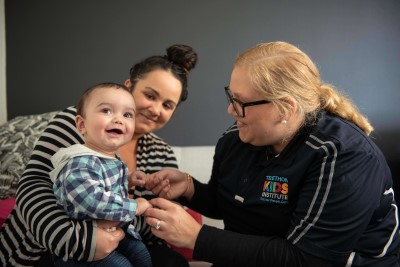
The Kids Research Institute Australia researchers have found close to 40 per cent of Aboriginal babies begin to develop middle ear infections between two and four months of age in a first of its kind study in metropolitan Perth.
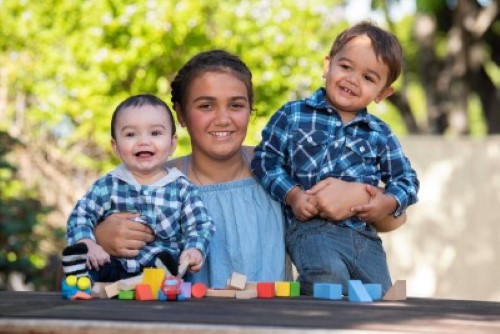
A new partnership between The Kids Research Institute Australia, Dr George Sim and St John of God Murdoch Hospital will offer essential surgery at no cost for a group of Aboriginal children suffering severe ear infections.
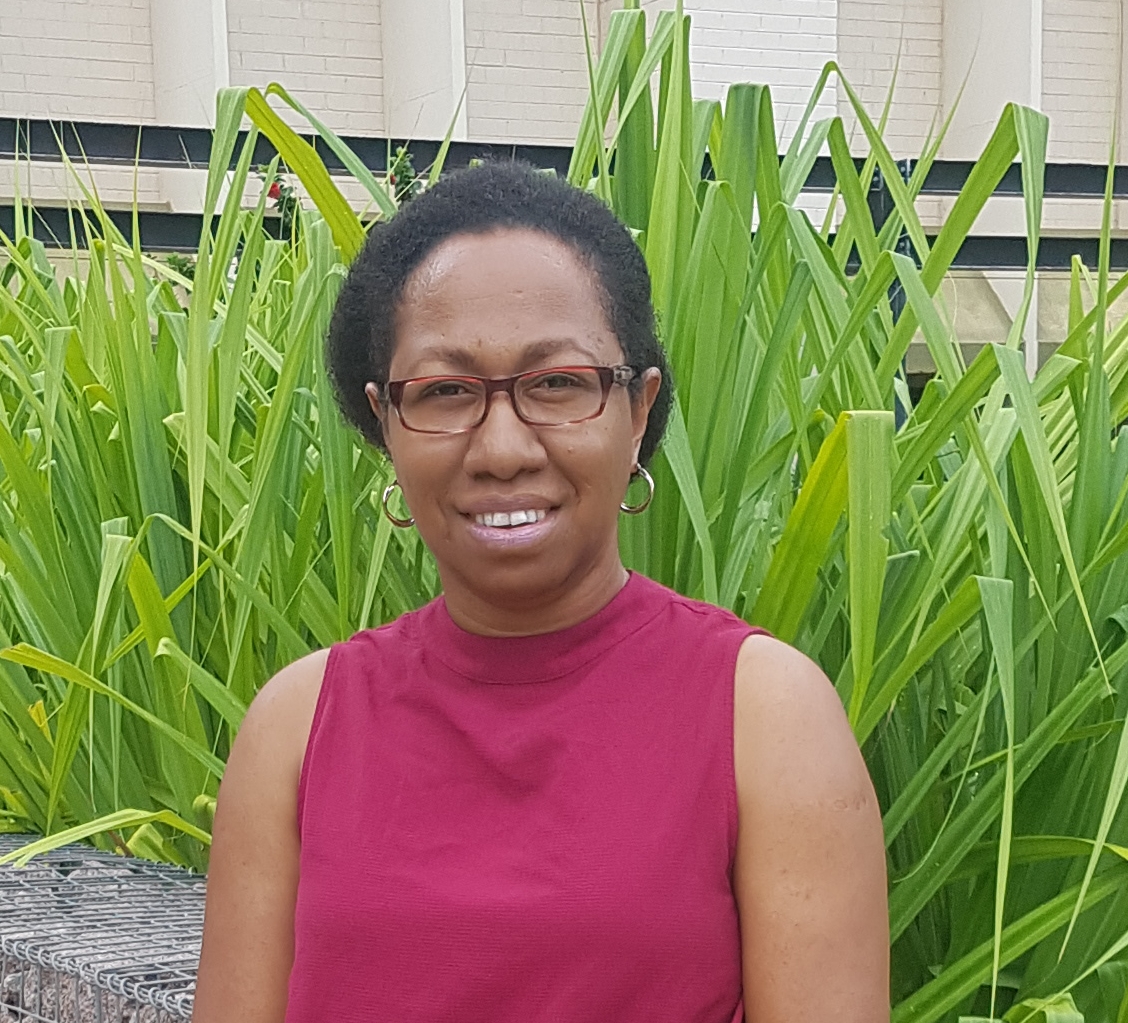
Congratulations goes to Celestine Aho, the inaugural winner of the $30,000 Deborah Lehmann Research Award.
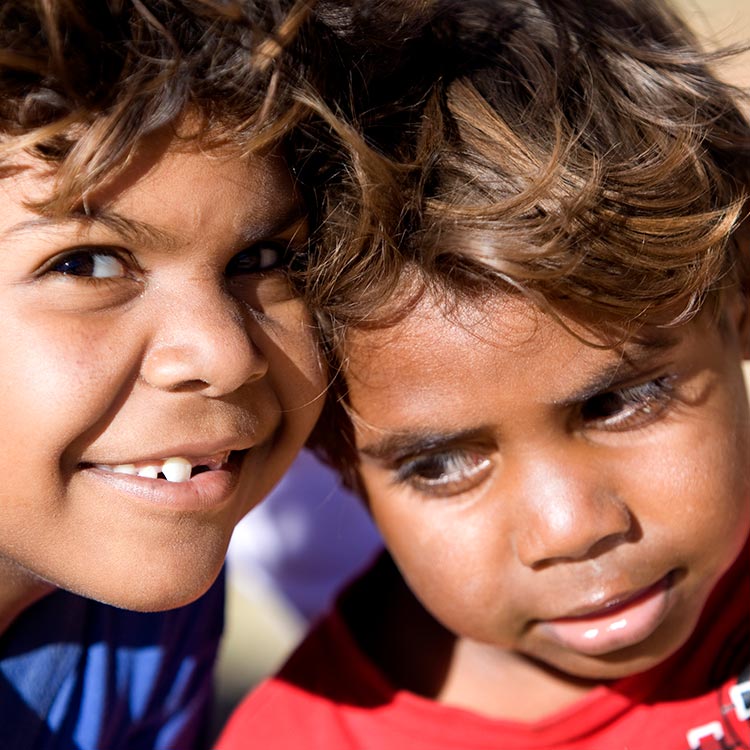
A $6 million commitment from Wesfarmers to Telethon will fund vital research to reduce the impact of chronic ear infections and other serious diseases.
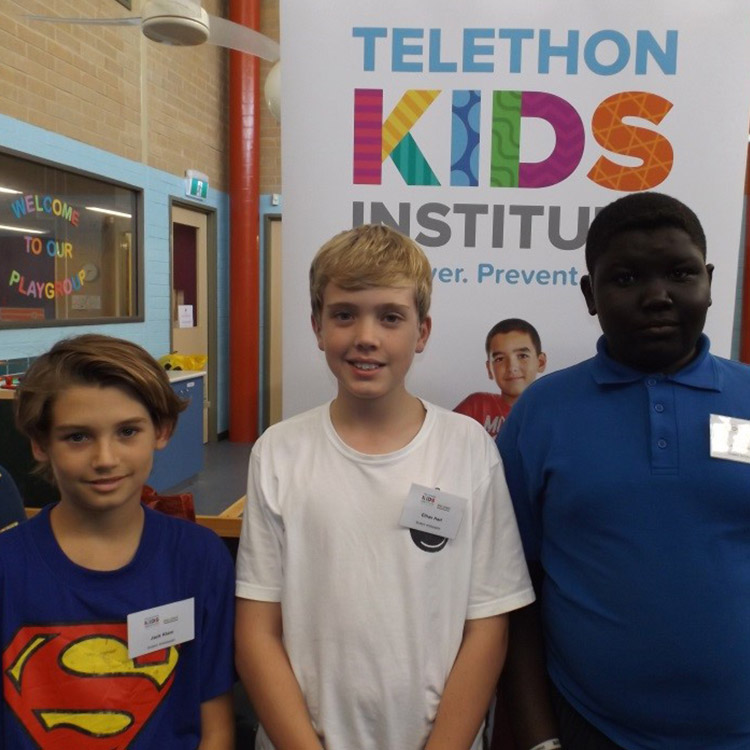
Ethan recently took part in Belong, a study led by The Kids which aims to ensure deaf and hard of hearing kids have a happy & positive school experience
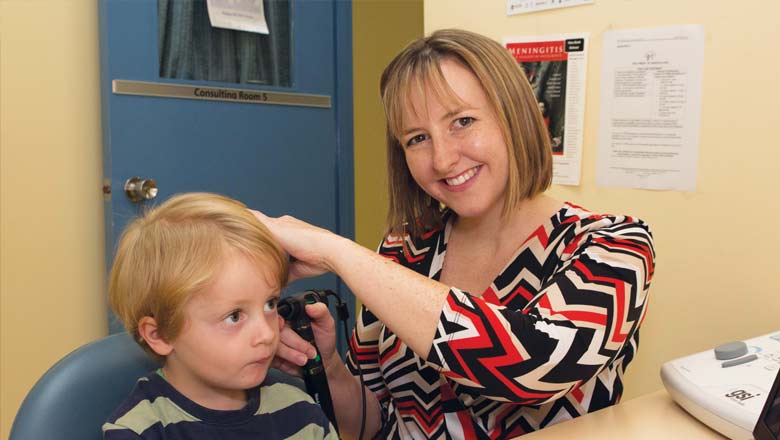
The Kids is investigating whether a cystic fibrosis medication may be the answer to ear infections, reducing the need for antibiotics and surgery.
Acknowledging the enormous efforts in ear health programs across WA, we invite stakeholders to assist us in establishing research priorities.