
Search
Nick Gottardo MBChB FRACP PhD Co-Head, Brain Tumour Research team; Head of Oncology and Haematology, Perth Children’s Hospital nicholas.gottardo@
Sébastien Malinge PhD Laboratory Head, Translational Genomics in Leukaemia, Senior Research Fellow (University of Western Australia), Adjunct Senior
Antibodies that target immune checkpoints such as cytotoxic T lymphocyte antigen 4, programmed cell death protein/ligand 1 are approved for treatment of multiple cancer types.
Platinum-based chemotherapy in combination with anti-PD-L1 antibodies has shown promising results in mesothelioma. However, the immunological mechanisms underlying its efficacy are not well understood and there are no predictive biomarkers to guide treatment decisions.
Acute lymphoblastic leukaemia is the most common childhood malignancy that remains a leading cause of death in childhood. It may be characterised by multiple known recurrent genetic aberrations that inform prognosis, the most common being hyperdiploidy.
Acute lymphoblastic leukaemia (ALL) is one of the most treatable forms of paediatric cancer; however, there is a substantial burden of treatment-related toxicities (TRTs). In addition, the long-term changes in children's health-related quality of life (HRQoL) due to toxic treatments are not well understood.
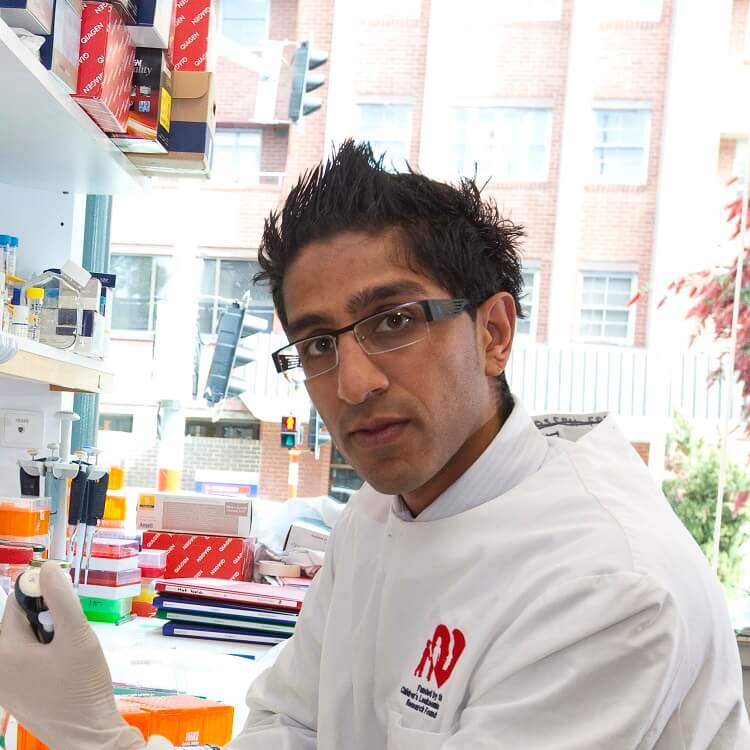
The Australian arm of an international clinical trial looking at improved treatments for young babies with leukaemia has been awarded funding from the MRFF.
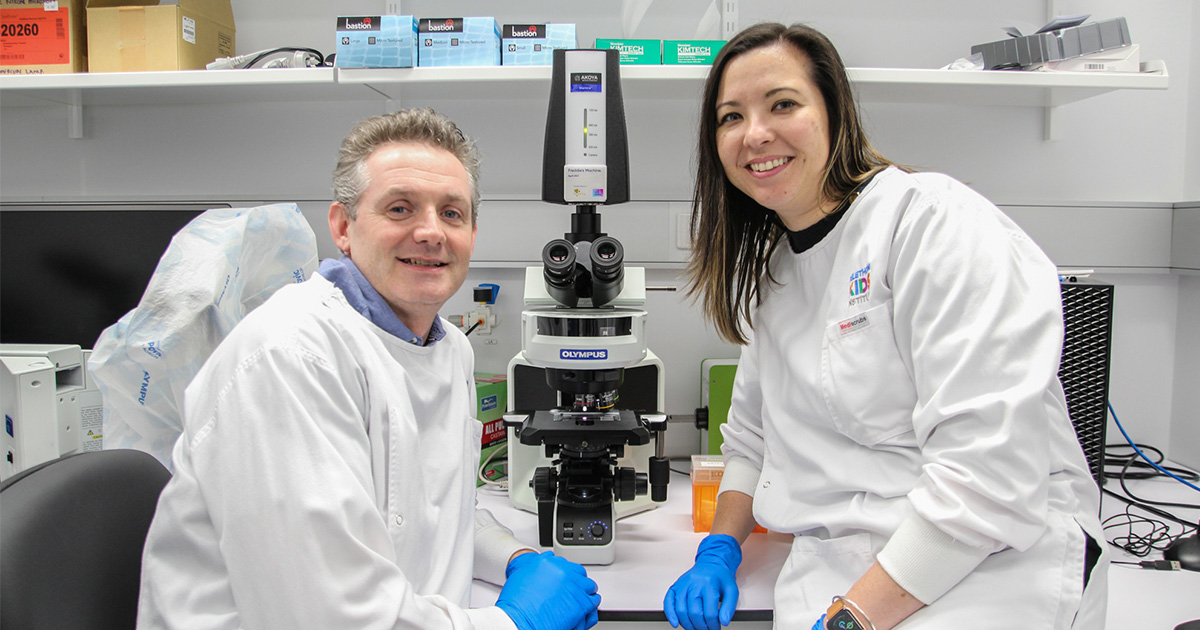
The WA Kids Cancer Centre has secured $1.1 million in funding from the Medical Research Future Fund’s (MRFF) Paediatric Brain Cancer Research Stream 2 to develop more effective and less toxic treatments for rare brain cancers in infants.
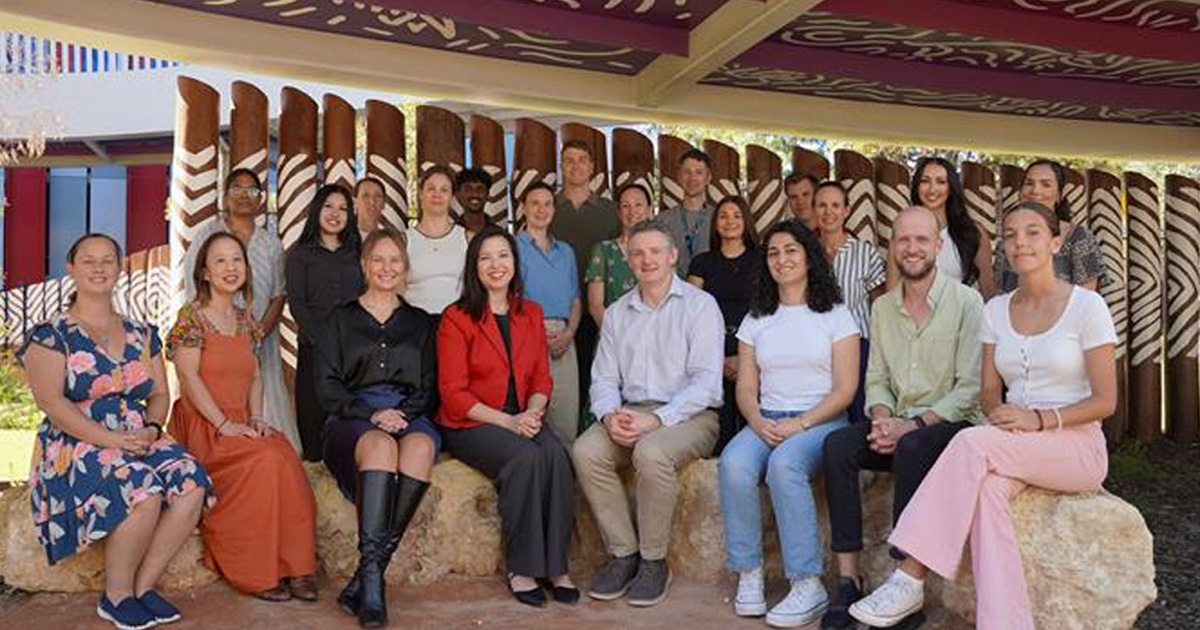
The Kids Research Institute Australia's Brain Tumour Research team will develop and implement cutting-edge technologies to revolutionise the speed of brain cancer diagnosis for WA children, thanks to more than $200,000 from Telethon.

On Monday 1 September, childhood cancer researcher Jacob Byrne is lacing up his running shoes and taking the first steps of an extraordinary challenge: 30 marathons in 30 days across Perth.