
Search
To map and systematise existing research on the use of artificial intelligence (AI) in mental health-based diabetes care contexts, identify trends and potential gaps in the literature, examine methodological limitations and highlight future research directions.
Children living with a rare disease often endure a lengthy journey to diagnosis, commonly referred to as a diagnostic odyssey. This journey significantly impacts their physical, mental and financial wellbeing, in addition to that of their families. The diagnostic odyssey is often characterised by anxiety and stress surrounding the uncertainty of the future. This is experienced by the patient as well as by the family.
Gratitude has consistently been associated with various beneficial health-related outcomes, including subjective wellbeing, positive mental health, and positive physical health. In light of such effects, positive psychology researchers and practitioners have often implemented gratitude interventions in an attempt to build individuals' orientations toward appreciation and thankfulness. Recent meta-analyses and reviews have revealed, however, that these interventions often have mixed effects on gratitude or other health outcomes.
This study examines gender and socioeconomic inequalities in parental psychological wellbeing (parenting stress and psychological distress) during the COVID-19 pandemic in Germany. Background: The dramatic shift of childcare and schooling responsibility from formal institutions to private households during the pandemic has put families under enormous stress and raised concerns about caregivers’ health and wellbeing.
People with intellectual disabilities living in group homes often have complex health needs, are high health service users and need support from their service provider to access health services. In Australia, little is known about the types and amounts of these supports.
Aboriginal and Torres Strait Islander (Aboriginal) people are overrepresented in Australian prisons, where they experience complex health needs. A model of care was designed to respond to the broad needs of the Aboriginal prisoner population within the nine adult prisons across South Australia. The purpose of this paper is to describe the methods and findings of the Model of Care for Aboriginal and Torres Strait Islander Prisoner Health and Wellbeing for South Australia.
Globally, Indigenous people have a greater incidence and earlier onset of diabetes than the general population and have higher documented rates of emotional distress and mental illness. This systematic review will provide a synthesis and critical appraisal of the evidence focused on the social and emotional well-being of Indigenous peoples living with diabetes, including prevalence, impact, moderators, and the efficacy of interventions.
The Healing Kids, Healing Families team strives to understand how trauma and adverse circumstances can impact a child and their family, and how we can help them to recover from these experiences.
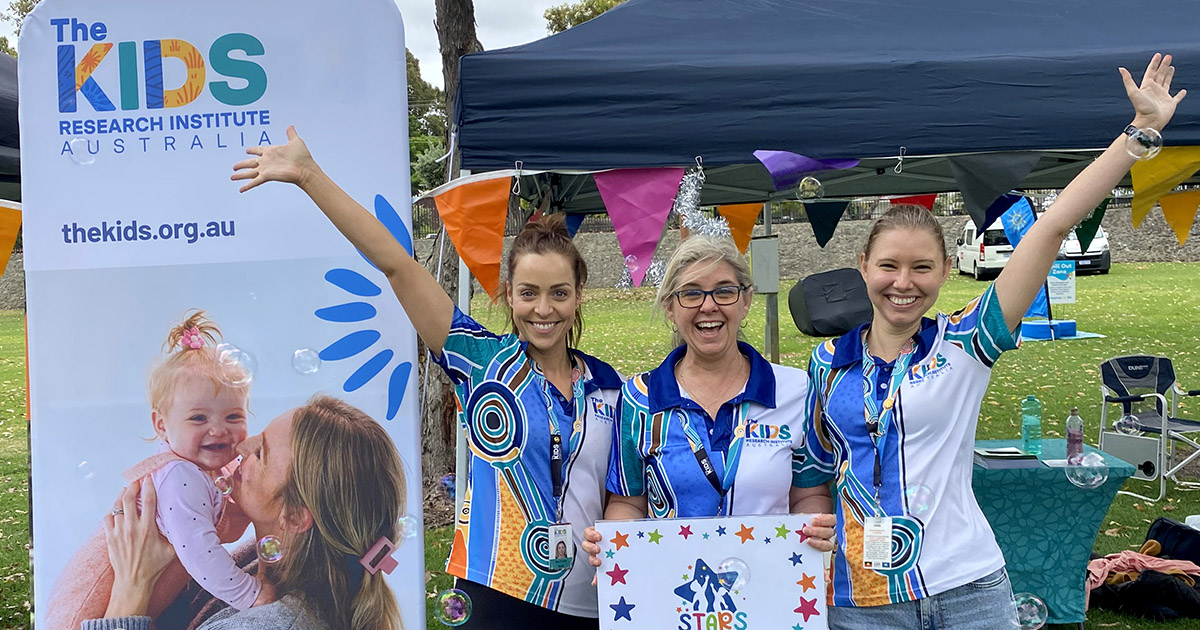
STARS for Kids, a sub-project of ORIGINS, received a three-year grant to advance the development of a scalable, online, tiered model of care to better support disadvantaged communities, where 20-25 per cent of children are entering school developmentally vulnerable.
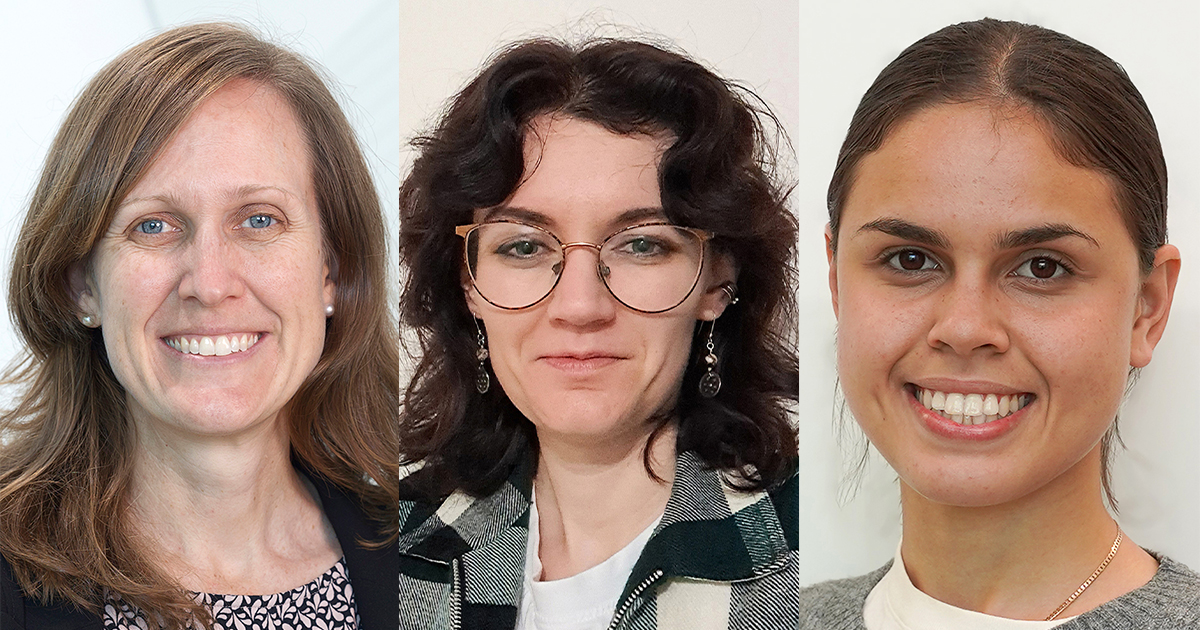
Three researchers from The Kids Research Institute Australia were recognised as being among Western Australia’s brightest and most innovative scientific minds at last night’s 24th Premier's Science Awards.