
Search
The Kids Research Institute Australia's annual report highlights the accomplishments of our researchers, furthering our mission to secure a happier, healthier future for kids everywhere.
At The Kids Research Institute Australia, our vision is simple - happy healthy kids. We bring together community, researchers, practitioners, policy makers and funders who share our mission to improve the health, development and lives of children and young people through excellence in research.
At The Kids Research Institute Australia, our vision is simple - happy healthy kids. We bring together community, researchers, practitioners, policy makers and funders who share our mission to improve the health, development and lives of children and young people through excellence in research.
At The Kids Research Institute Australia, our vision is simple - happy healthy kids. We bring together community, researchers, practitioners, policy makers and funders who share our mission to improve the health, development and lives of children and young people through excellence in research.
At The Kids Research Institute Australia, our vision is simple - happy healthy kids. We bring together community, researchers, practitioners, policy makers and funders who share our mission to improve the health, development and lives of children and young people through excellence in research.
At The Kids Research Institute Australia, our vision is simple - happy healthy kids. We bring together community, researchers, practitioners, policy makers and funders who share our mission to improve the health, development and lives of children and young people through excellence in research.
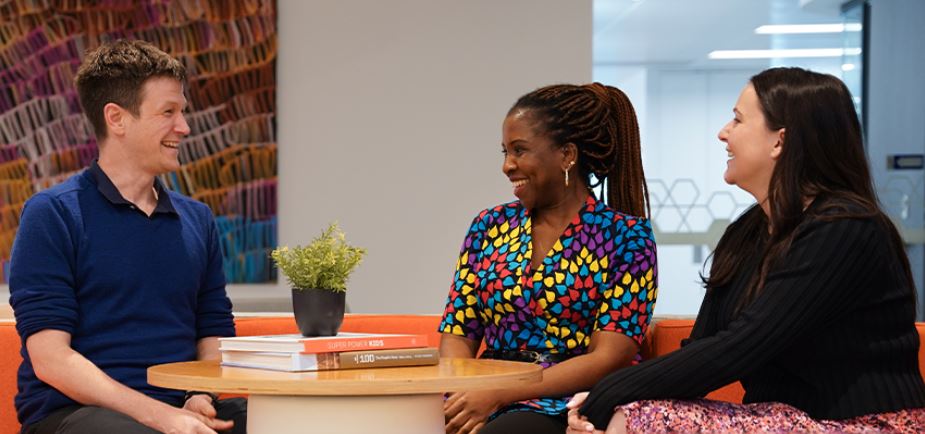
We are delighted to share that The Kids has successfully completed its Athena SWAN Bronze Action Plan.

Join us! Get involved with The Kids through providing a donation, volunteering your time, participating in important research, or with a professional commitment to the institute.

What role will you play in creating a brighter and healthier future for our kids?
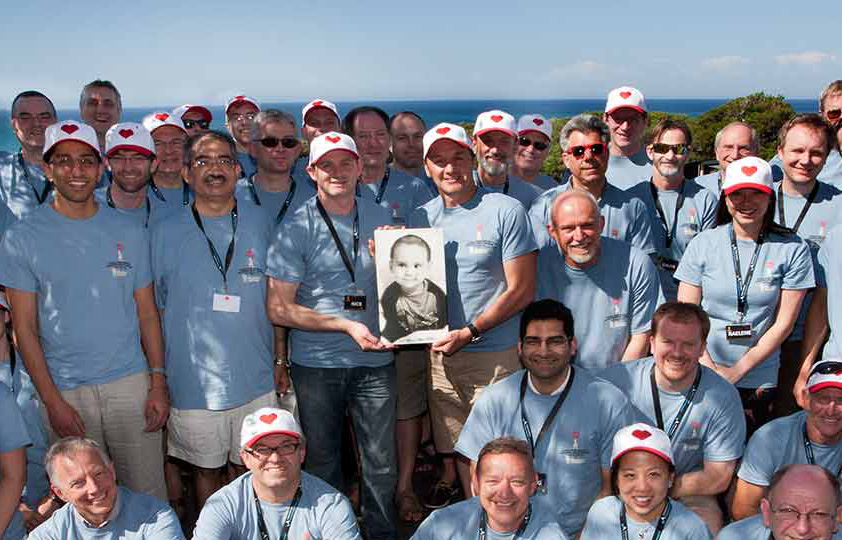
We rely on our fundraisers enormously. Not only are they out there raising money to help fund our research into children’s health, they’re raising awareness within the community about the broad scope of work we do. They are helping to create hope for children and their families. Want to get involved?