
Search
Showing results for " buy cvv2, 【 Visit Amsiga.com 】 ojM3t2s., cc shop carding, gift card no vbv, www validcc UNt2"

ORIGINS is now offering telehealth appointments for the paediatric assessment at the one- and three-year timepoints

Babies worldwide could have access to life-saving influenza vaccinations from just eight weeks of age thanks to researchers at The Kids Research Institute Australia and the generous support of the Telethon community.

The Kids Research Institute Australia has welcomed the recommendations to come out of the State Government’s inquiry into support for autistic children and young people in schools, released last week.
The World Health Organization recommends perennial malaria chemoprevention (PMC), generally using sulfadoxine-pyrimethamine (SP) to children at high risk of severe Plasmodium falciparum malaria. Currently, PMC is given up to age two in perennial transmission settings. However, no recommendation exists for perennial settings with seasonal variation in transmission intensity, recently categorized as 'sub-perennial'.
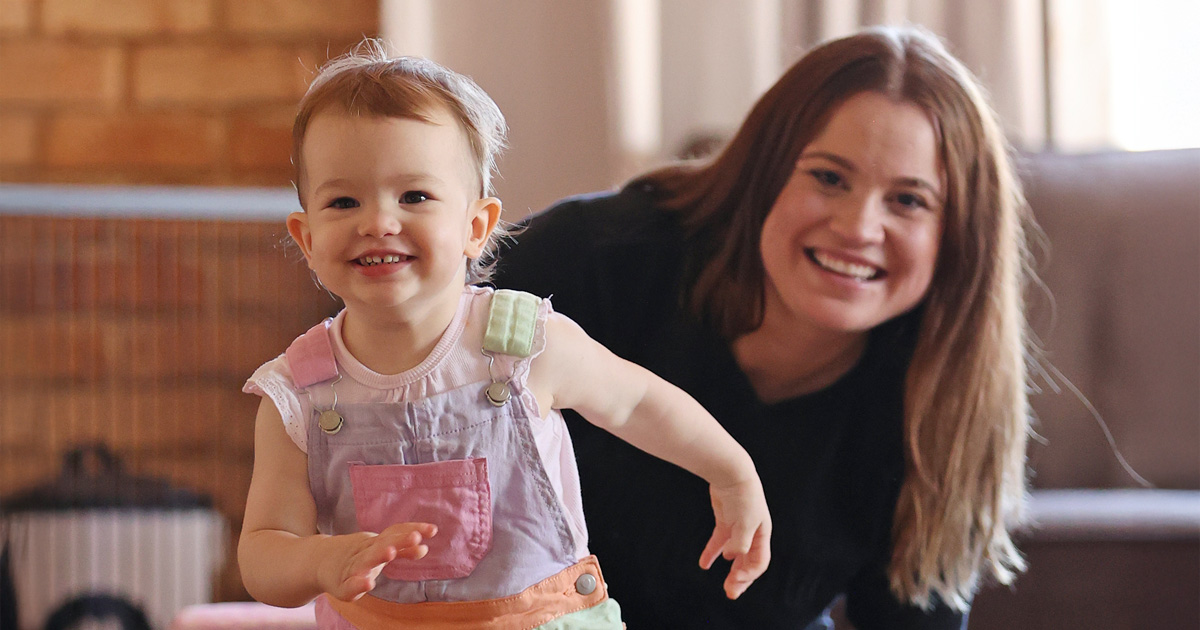
Imagine you had a healthy daughter one day and the next being told she has an incurable condition that requires day-to-day care and insulin treatment to stay alive.

In early 2021, The Kids Research Institute Australia researcher Dr Amy Finlay-Jones led a global team in trying to answer that question to help better prioritise mental health spending.

The Institute has become one of the world’s leading Strep A hubs, with multiple teams working in the Institute’s END RHD Program, headed by Associate Professor Asha Bowen, working to understand how Strep A works and find better ways to prevent and control the diseases it causes.
A link between developmental language disorders and atypical cerebral lateralization has been postulated since the 1920s, but evidence has been indirect and...

Mitochondrial diseases are devastating disorders for which there are no cures or effective treatments. Our project will focus on the prevention of mitochondrial diseases and discovery of effective cures.
Broad community acceptance of a COVID-19 vaccination will be critical for effectively halting the spread of the virus. In this study, we focus on factors that differentiate those who are undecided from those who are either willing or unwilling to accept a prospective COVID-19 vaccine. An online survey in May 2020 assessed Australian adults' willingness to receive a COVID-19 vaccine (yes, maybe, no). A multinomial logistical regression of responses (N = 1,313) was used to identify correlates of vaccine willingness between the three groups.