
Search
This study aimed to determine how pulmonary inflammation & infection impacts on ventilation distribution throughout early life in people with cystic fibrosis.
Recent technological advances in equipment design have produced gains in popularity for this test among cystic fibrosis (CF) researchers and clinicians...
This letter addresses the recommendations by the American Thoracic Society & European Respiratory Society in 2005, that patients must wait 15-60mins between...
The pathophysiology of BPD has changed in recent years as advances in neonatal care have led to increased survival of smaller, more preterm, infants who...
Ventilated preterm infant lungs are vulnerable to overdistension and underinflation.
Non-invasive techniques for measuring lung mechanics in infants are needed for a better understanding of lung growth and function...
This editorial article addresses chronic obstructive pulmonary disease and lung function testing in Aboriginal Australians.
Differences in the assessment of pediatric pain between children, parents, nurses, and independent observers in the acute postoperative setting
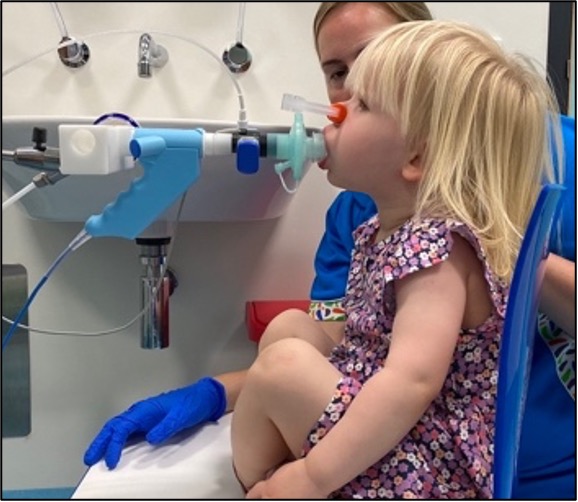
This national, multi-centre study will generate the evidence needed to implement promising preschool lung function tests, multiple breath washout (MBW) and oscillometry (OSC), into clinical practice to enable early detection of lung function impairment in young children.
We aimed to quantify the diagnostic utility of mannitol challenge testing for asthma in a community cohort and a symptomatic wheezing subset of this cohort.