
Search
The broadening of the clinical definition of autism over time-the so-called, autism spectrum-has run in parallel with the growth of a neurodiversity movement that has reframed the concept of autism entirely. Without a coherent and evidence-based framework through which both of these advances can be situated, the field is at risk of losing definition altogether.
The growing global prevalence of autism spectrum disorder is associated with increasing costs for support services. Ascertaining the effects of a successful preemptive intervention for infants showing early behavioral signs of autism on human services budgets is highly policy relevant.
Anxiety commonly co-occurs in autism. Exploring and understanding potential underpinning mechanisms contributing to and maintaining anxiety in the early years is important in managing anxiety. Intolerance of uncertainty (IU), a tendency to find uncertainty difficult, is a transdiagnostic mechanism contributing to anxiety, but little is known about how IU may be experienced in young children on the autism spectrum. This study investigated parental perspectives of children's experiences of uncertainty.
The aim of this research note is to encourage child language researchers and clinicians to give careful consideration to the use of domain-specific tests as a proxy for language; particularly in the context of large-scale studies and for the identification of language disorder in clinical practice.
The Repetitive Behaviours Questionnaire for Adults (RBQ-2A) measures two factors of restricted and repetitive behaviours (RRBs) associated with autism. However, the Diagnostic and Statistical Manual of Mental Disorders (DSM-5) provides four criteria for RRBs: repetitive motor behaviours, insistence on sameness, restricted interests, and interest in sensory aspects of the environment (or atypical sensitivity).
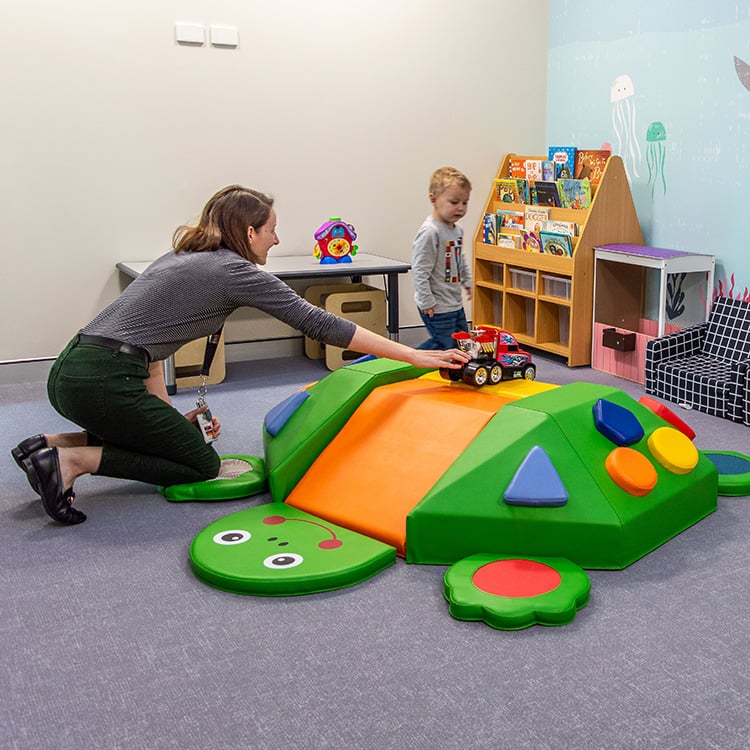
Find out how to access services at CliniKids.

Thank you to all the families who took the time to complete the 2025 CliniKids clinic survey. We were overwhelmed by the level of support. Here are the main findings and some feedback about the possibility of using AI in our day-to-day operations.
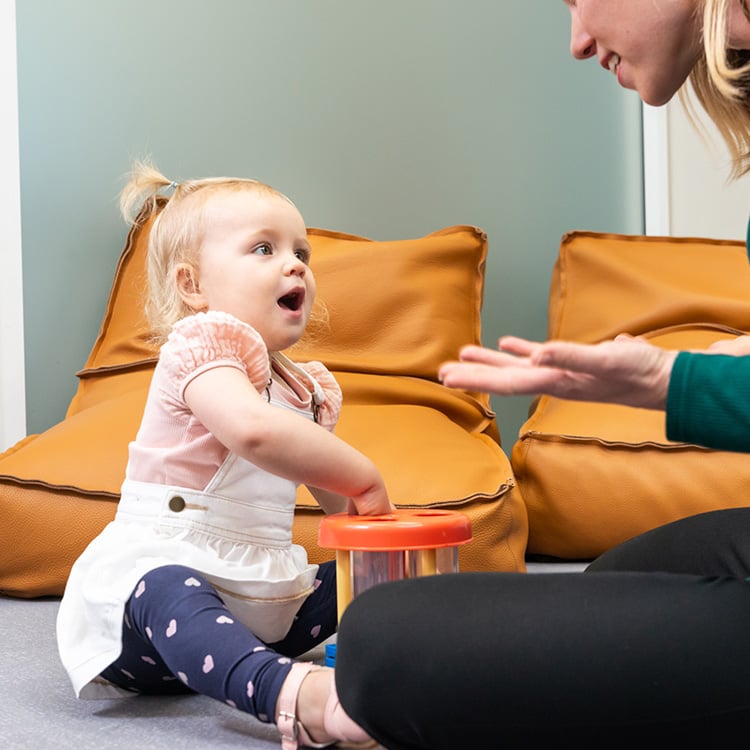
Find out about the range of Focused Therapy programs on offer at CliniKids.
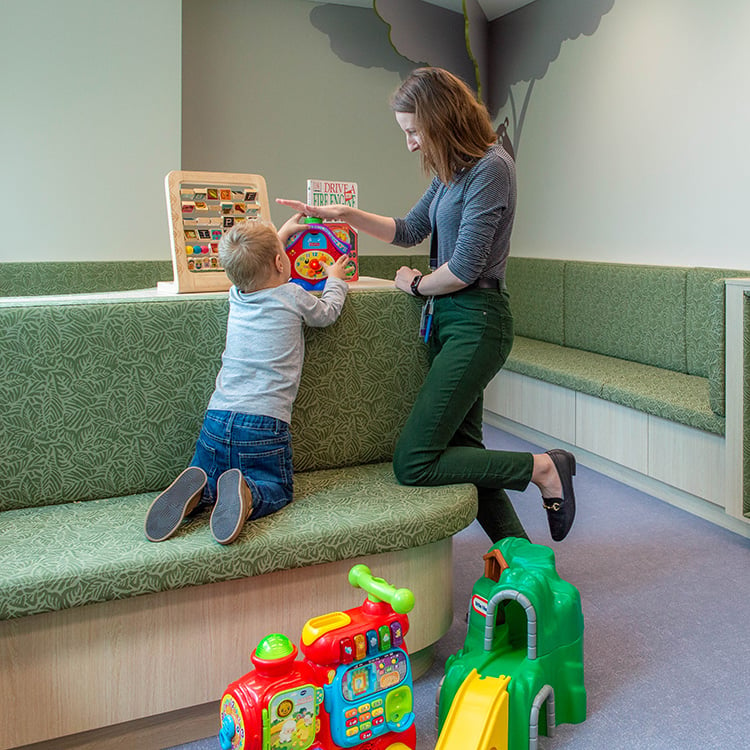
CliniKids provides therapy support and individualised programs to help children and families to reach their full potential.
CliniKids is putting the ‘evidence’ in evidence-based practice by providing families access to the best scientific-backed therapies as quickly as possible so that all autistic children have the chance to reach their full potential.