
Search
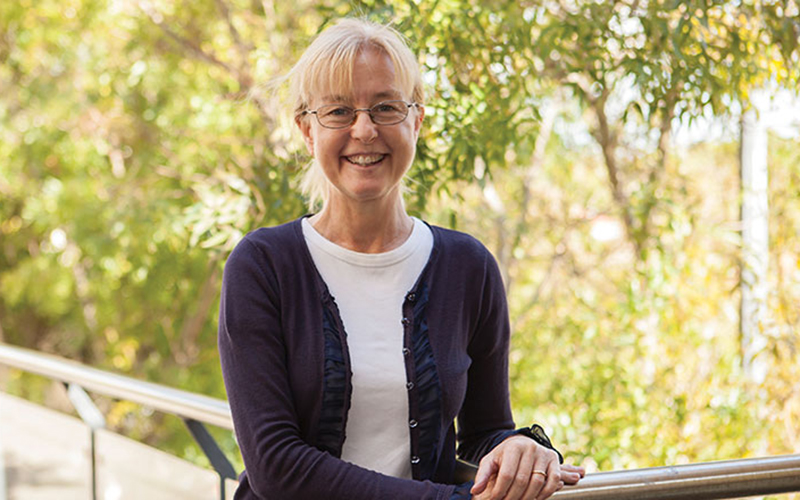
For families with a child with disability, this involves many extra care duties especially if their child has high and complex needs.

The rapidly developing coronavirus crisis is affecting our daily lives in unprecedented ways and brings with it uncertainty and fear.

The situation with COVID-19 is constantly evolving, and there is an extraordinary amount of information circulating which can be both overwhelming and difficult to navigate.
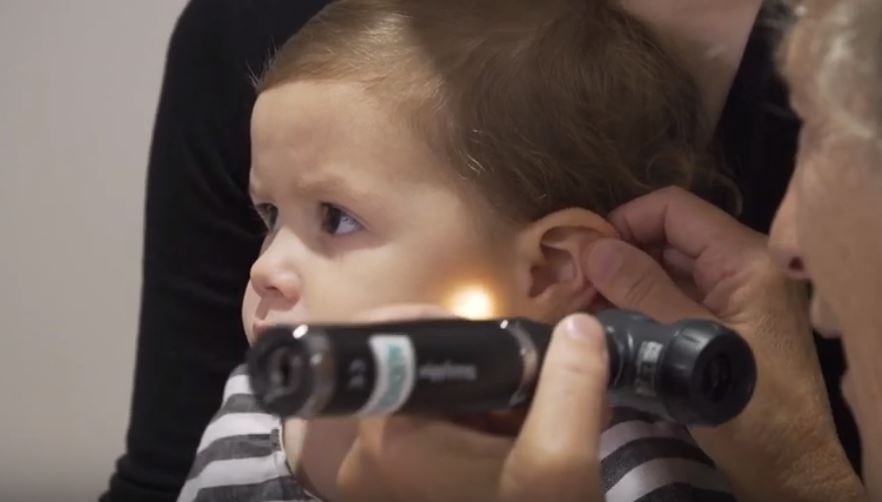
Researchers from The Kids Research Institute Australia have identified the main bacteria responsible for recurrent ear infections and repeat ear surgeries in children.
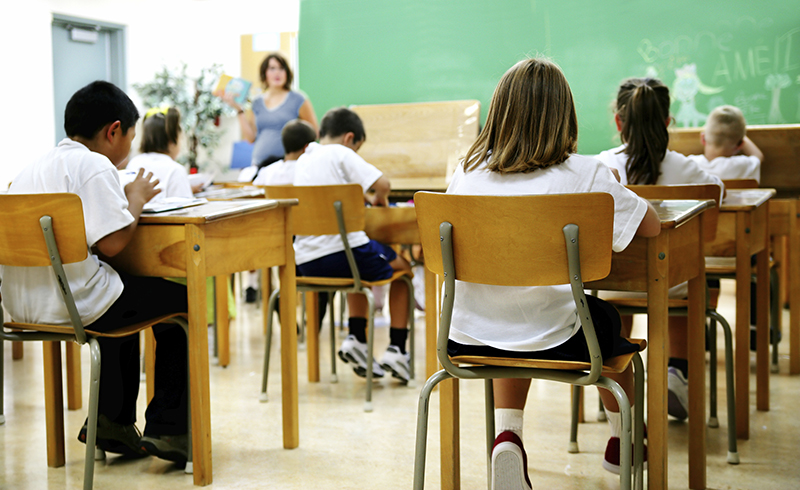
Schools are issuing restrictions around attendance after travel overseas due to coronavirus. Here's how to prepare your kids against the spread of infectious disease on their return to school.
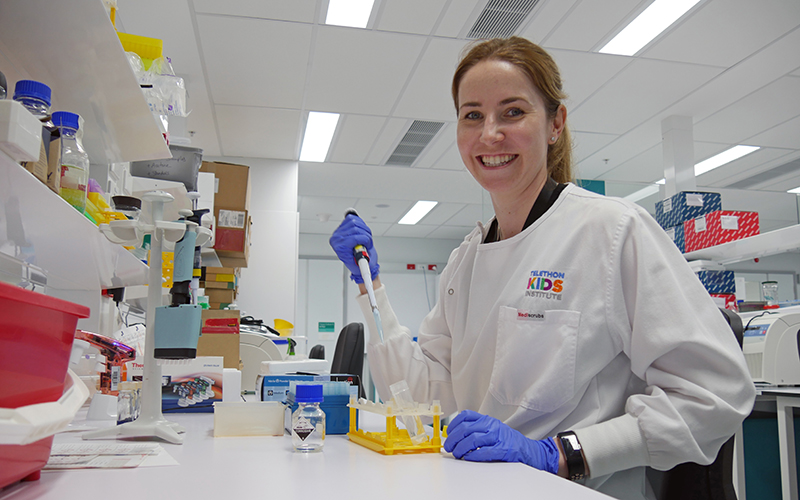
The Kids Research Institute Australia researchers will seek to better understand the relationship between antibodies and inflammation in people with multiple sclerosis (MS), thanks to a generous grant from MS Research Australia.
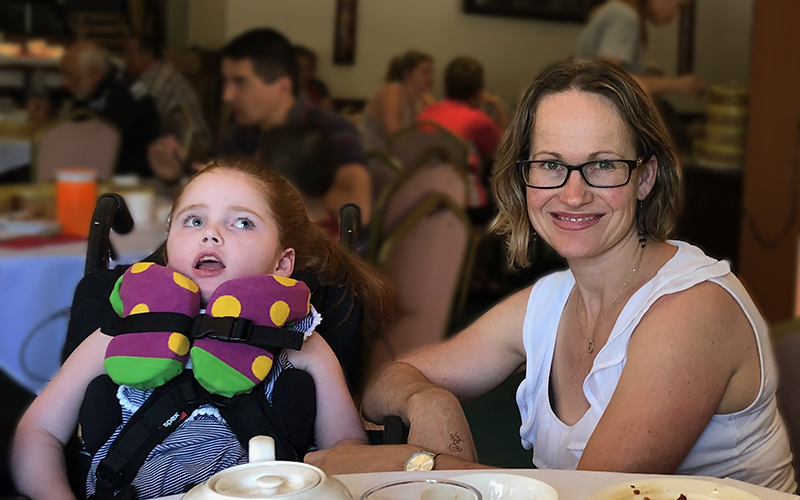
Children with intellectual disability who underwent gastrostomy – a feeding tube placed into the stomach – had better overall health and fewer hospitalisations for all causes except acute respiratory illnesses, research led by The Kids Research Institute Australia has found.

The beginning of a new school year is just around the corner – and with this may come a big change in your and your child’s life.

Bushfires can have a considerable impact on our physical and mental health, with some symptoms lasting long after the blaze is extinguished. And our children are amongst the most vulnerable.
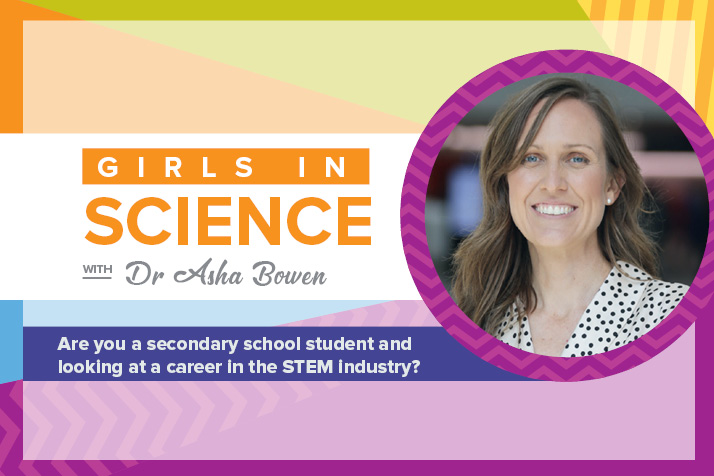
Secondary students have the opportunity to hear from Associate Professor Asha Bowen, a 2018 L’Oreal-UNESCO Women in Science Fellow, in a free online event this National Science Week.