Skip to content

Search

Erratum: Attitudes, perceptions, and experiences of Western Australians towards vaccine safety surveillance systems following COVID-19 vaccines: A qualitative descriptive study (Australian and New Zealand Journal of Public Health (2024) 48(1), (S132602002

Concerns regarding adverse events following immunisation are a barrier to vaccine uptake. Health professionals use vaccine safety surveillance systems (VSSS) to monitor vaccines and inform the public of safety data. With little known about public attitudes, perceptions, and experiences with VSSS, we examined them in the context of COVID-19 vaccinations in Western Australia.

Per Os to Protection – Targeting the Oral Route to Enhance Immune-mediated Protection from Disease of the Human Newborn

Valerie Verhasselt MD, PhD Head, Immunology and Breastfeeding 0402997617 Valerie.verhasselt@thekids.org.au Head, Immunology and Breastfeeding @

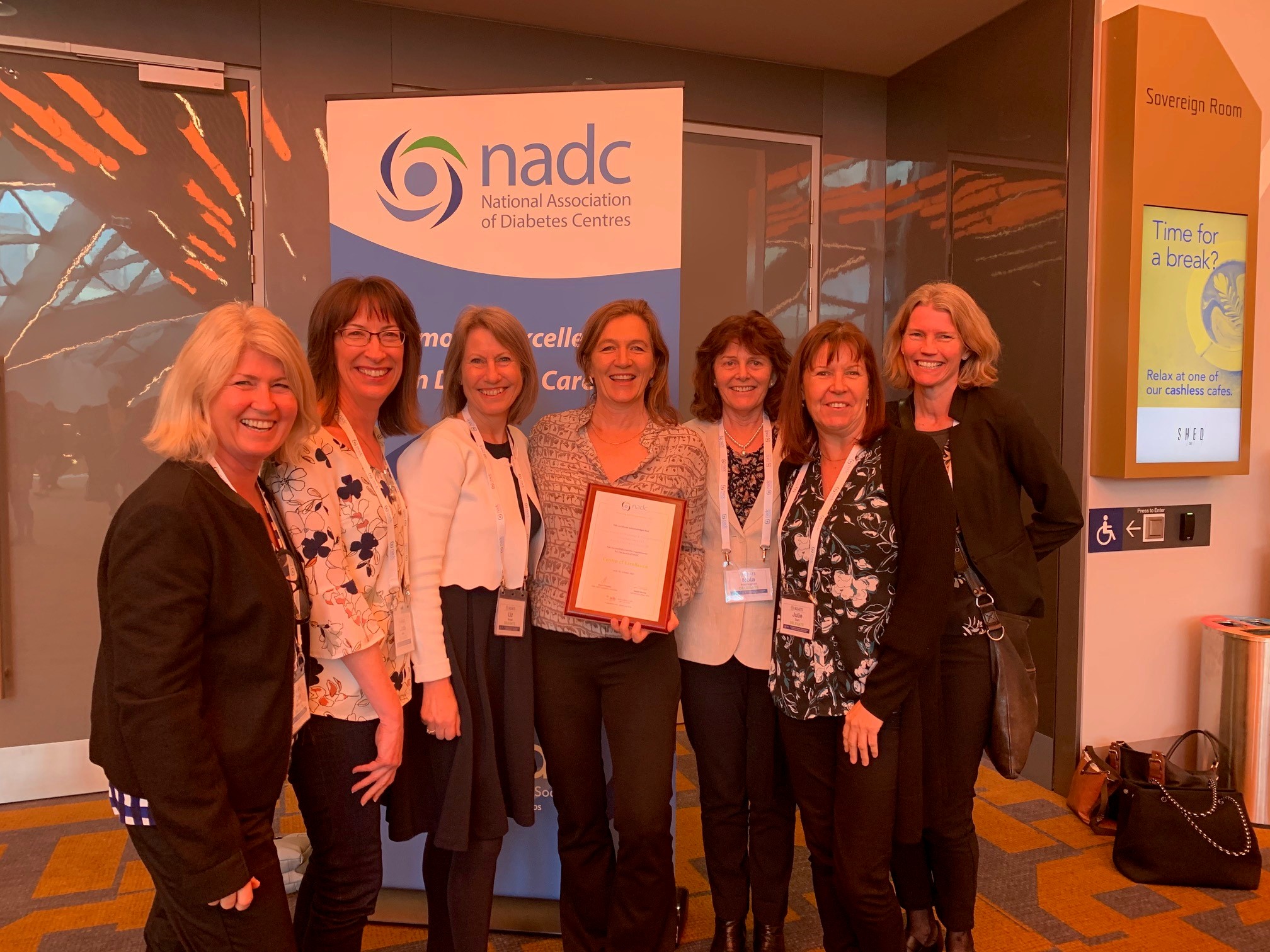
Translation of culturally and contextually informed diabetes training for Aboriginal primary health care providers on Aboriginal client outcomes: Protocol of a cluster randomized crossover trial of effectiveness

Indigenous populations globally have significantly high rates of type 2 diabetes compared to their non-Indigenous counterparts. This study aims to implement and evaluate the effectiveness of a culturally and contextually informed Aboriginal Diabetes Workforce Training Program on Aboriginal primary health care workforce knowledge, attitude, confidence, skill and practice relating to diabetes care.

Mapping the distribution of Nipah virus infections: a geospatial modelling analysis

Nipah virus is a zoonotic paramyxovirus responsible for disease outbreaks with high fatality rates in south and southeast Asia. However, knowledge of the potential geographical extent and risk patterns of the virus is poor. We aimed to establish an integrated spatiotemporal and phylogenetic database of Nipah virus infections in humans and animals across south and southeast Asia. 

Self-Reported Traumatic Brain Injury and Its Biopsychosocial Risk Factors in Siblings of Individuals with Neurodevelopmental Conditions

Siblings of individuals with neurodevelopmental conditions are situated within a complex system of risk and resilience factors for poor outcomes, many of which overlap with the risk of traumatic brain injury and correlate with poorer recovery trajectories.

Relational processes for transformative climate justice policymaking: insights from a Western Australian community of practice

This article explores how relational approaches to policymaking across multiple levels and sectors of society might enable transformative climate justice. It draws on a unique case study from the state of Western Australia, where climate justice is thwarted by the coloniality of climate politics and the hegemony of the fossil fuel industry.

Bringing optimised COVID-19 vaccine schedules to immunocompromised populations (BOOST-IC): study protocol for an adaptive randomised controlled clinical trial

Immunocompromised hosts experience more breakthrough infections and worse clinical outcomes following infection with COVID-19 than immunocompetent people. Prophylactic monoclonal antibody therapies can be challenging to access, and escape variants emerge rapidly. Immunity conferred through vaccination remains a central prevention strategy for COVID-19.

FastHPOCR: pragmatic, fast, and accurate concept recognition using the human phenotype ontology

Human Phenotype Ontology based phenotype concept recognition (CR) underpins a faster and more effective mechanism to create patient phenotype profiles or to document novel phenotype-centred knowledge statements. While the increasing adoption of large language models (LLMs) for natural language understanding has led to several LLM-based solutions, we argue that their intrinsic resource-intensive nature is not suitable for realistic management of the phenotype CR lifecycle.

Heads up on concussion: Aboriginal and Torres Strait Islander peoples' knowledge and understanding of mild traumatic brain injury

Concussion awareness and knowledge among Aboriginal and Torres Strait Islander peoples residing in Perth, Western Australia and factors preventing presentation at a health service for assessment after such an injury.  

Cohort profile: A population-based record linkage platform to address critical epidemiological evidence gaps in respiratory syncytial virus and other respiratory infections

The Western Australia (WA) Respiratory Infections Linked Data Platform is a population-based cohort established to investigate the epidemiology of RSV and other respiratory infections in children aged 0-10 years, incorporating microbiological testing patterns, hospital admissions, emergency department presentations, and socio-demographic data.