
Search
The vast and growing challenges for human health and all life on Earth require urgent and deep structural changes to the way in which we live. Broken relationships with nature are at the core of both the modern health crisis and the erosion of planetary health. A declining connection to nature has been implicated in the exploitative attitudes that underpin the degradation of both physical and social environments and almost all aspects of personal physical, mental, and spiritual health.
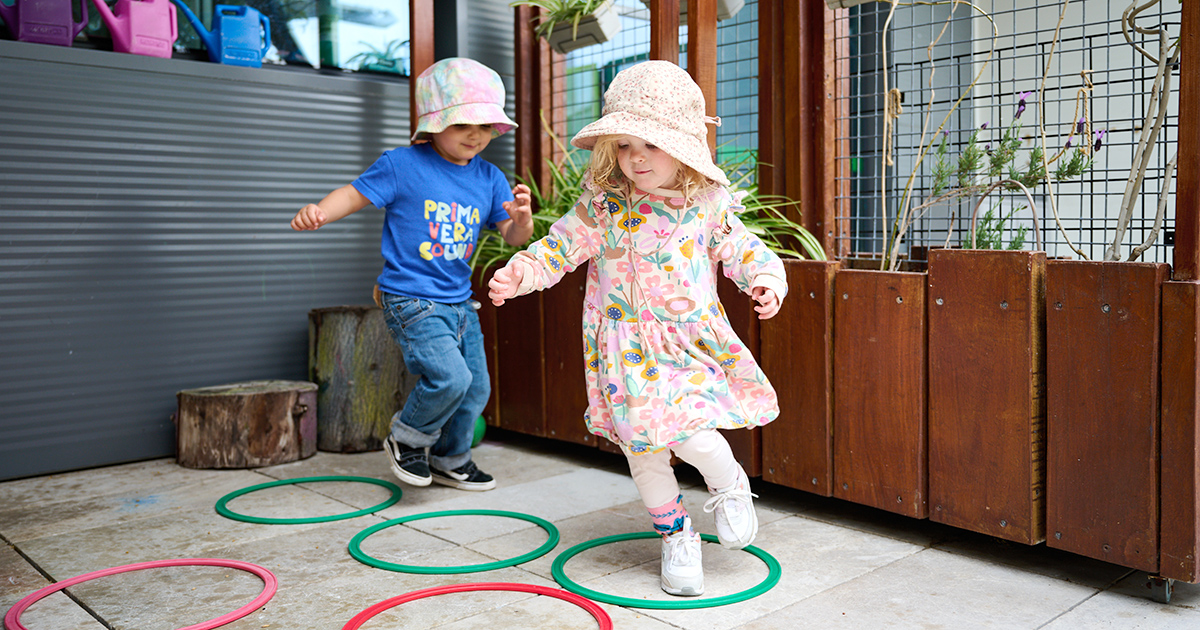
Did you know our research shows that less than 20 per cent of young Australian children get enough energetic play each day? Many children are spending more time sitting still or on screens, and not enough time moving, exploring and playing, which is fundamental to their healthy development.
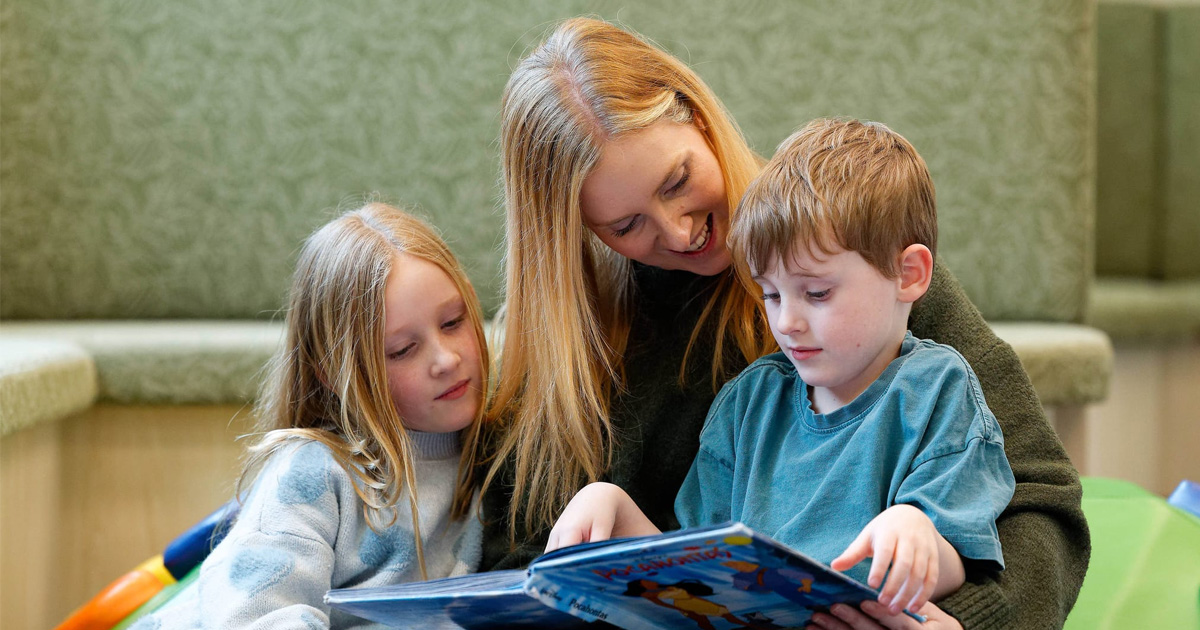
Walk through the jungle, hunt for the bear, or do the animal bop this Book Week! Acting out stories is a wonderful way to encourage active play with your child.

Four outstanding members of The Kids Research Institute Australia family – three researchers and an Aboriginal Elder co-researcher – have been named in the Australia Day Honours List for their outstanding service to research and the community.
Nurturing children's health together: A collaboration between early childhood education and care (ECEC) educators and parents on active play and eating well