
Search

The effects of educational advantage or disadvantage get handed down through the generations according to a new study by researchers at the The Kids.
Professor Cate Taylor, is part of an International cohort of researchers to secure over €1.45million in grant funding from the EU’s Horizon 2020 programme.

Four The Kids Research Institute Australia researchers are among those who have received funding in the WA State Government's Merit Award Program announced today.
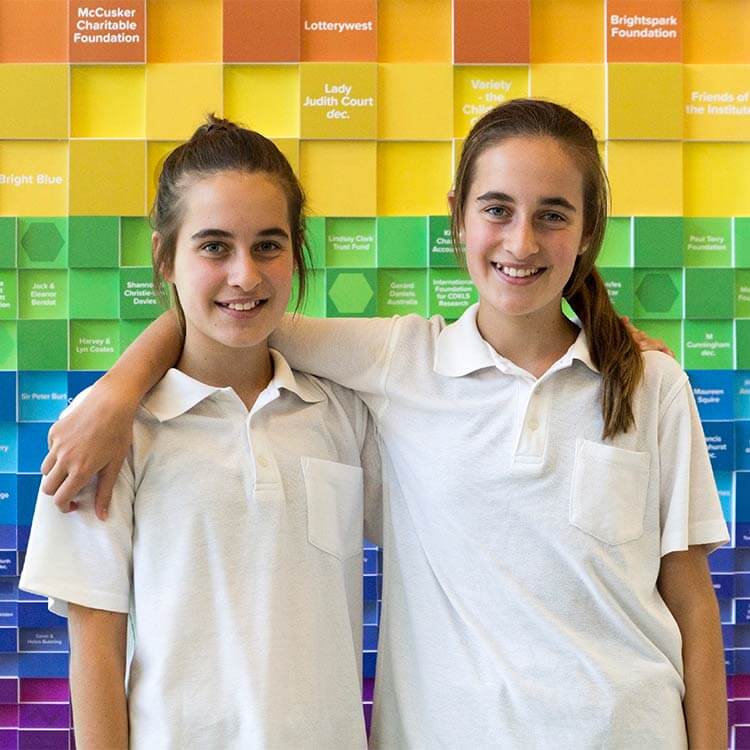
A world first study of language development in toddler twins confirms the widely held belief that twins start to talk later than single-born children.
A new study looking at the receptive language development of young children has highlighted the need to monitor kids over time to ensure they don't fall behind.
Researchers from Perth's The Kids Research Institute Australia have been part of an international study that has found that genetic factors contribute to the development of l
A world-first study from The Kids for Child Health Research has identified risk factors for receptive language development in Australian children.
New study links testosterone levels in the womb and language problems
The study is the first of its kind to track language delay from two years of age through to late adolescence, using data collected from the long running Raine
findings from the Telethon Institute for Child Health Research that show relatively common stressful events during pregnancy do not have a long term impact